
Water Damage Drying in Gretna, Older Than Its 1970 Flood Map
Drying for a house built before anyone set its floor height, with the space under it dried as carefully as the rooms above.
Water Damage Drying quote in Gretna
Tell us what you can see or smell, roughly where in the house it is, and whether the house is raised or on a slab. Those three things narrow it more than the size of the patch does, because they point at how the water is arriving rather than where it ended up.
Would you rather talk it through? Call (315) 640-3590.
$100 off your first job
Credited by us on your first booked job.
- One credit per customer per property, on your first booked job.
- Valid through December 31, 2026.
Mention this offer when you book. Full terms.
Drying a Gretna house that predates its flood map
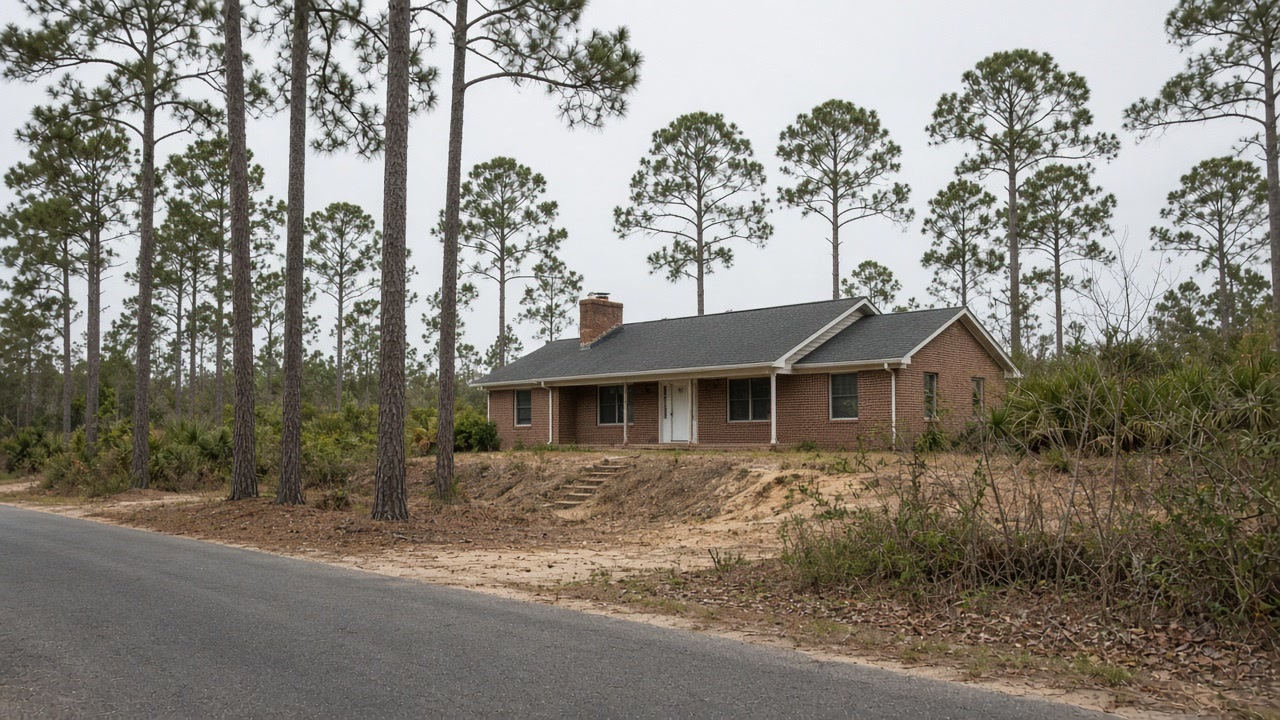
Gretna's flood file is mostly older houses, and drying one of them means drying two spaces. The city's first flood insurance rate map took effect on August 14, 1970, the earliest in this service area, and 657 of its 753 repeat-loss properties, 87 percent, were built before it. Those houses went up before any rule set how high the lowest floor had to sit. When water gets in, it can reach the space under a raised floor as well as the rooms, and wet joists and insulation under the house are easy to forget, because nobody looks there.
What water damage drying involves in Gretna

Under the floor first: Gretna drying decisions
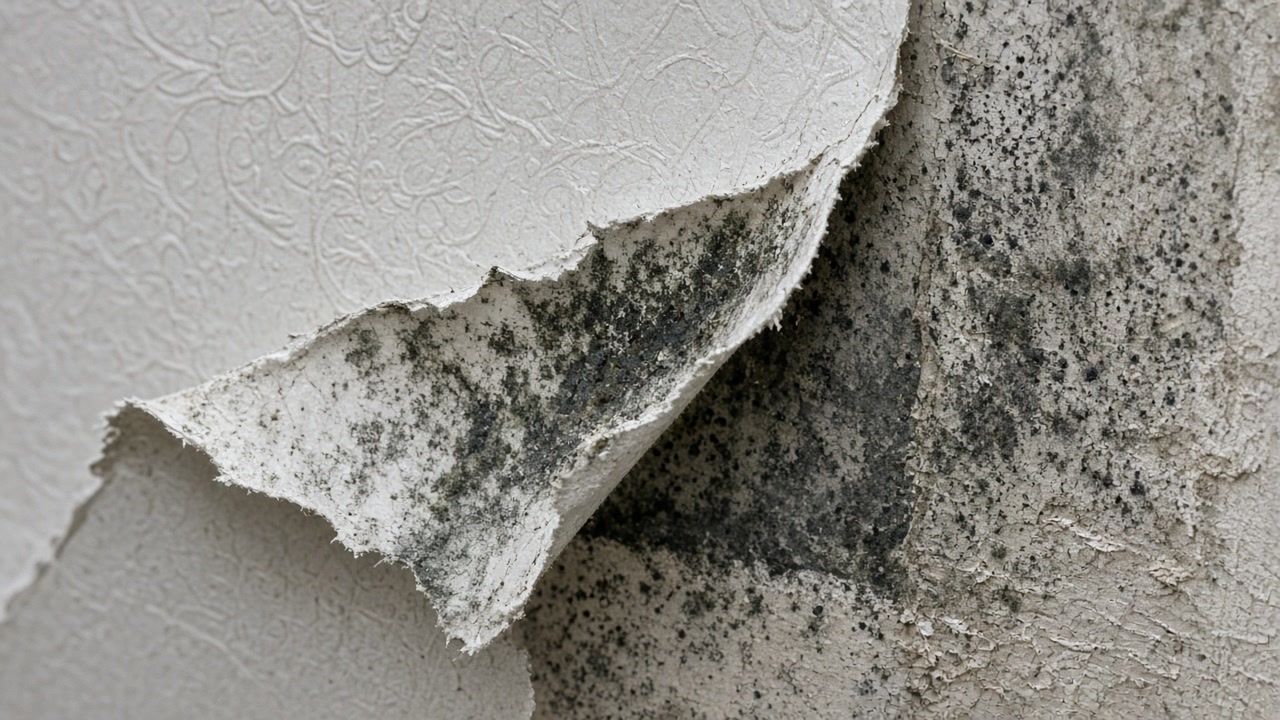
Get the crew under the house on the first visit, not the last. Ask what they will do with wet insulation between the joists, because the EPA notes porous materials may have to be discarded once moldy, and that decision is better made on day one. Keep the house shut while the equipment runs. And tell them how many times the house has taken water: 343 Gretna properties have been paid for four or more floods, and a repeat house needs its lower walls checked after the drying ends.
Whether the underfloor is part of the job
In a raised Gretna house it should be. Ask for readings on the joists and subfloor from below, not only on the floor from above.
What happens to wet insulation
Porous materials may have to be thrown away once moldy, the EPA says. Decide on the first day whether it is being dried or removed.
How old the house is
Built before August 1970 means built before Gretna had a flood map. Knowing that tells the crew how low the floor may sit.
Gretna's 1970 map and the houses built before it
Gretna records 753 National Flood Insurance Program multiple loss properties, of which 343 have four or more paid losses and 657, 87 percent, predate the city's first flood insurance rate map of August 14, 1970, the earliest first map date in this service area.
Source: Federal Emergency Management Agency, OpenFEMA dataset NFIP Multiple Loss Properties, data as of August 2, 2026, accessed 2026-09-22
The city of Gretna, community 225198, holds Community Rating System Class 5, a 25 percent discount in the special flood hazard area and 10 percent outside it. Its first flood insurance rate map took effect on August 14, 1970.
Source: Federal Emergency Management Agency, National Flood Insurance Program Community Status Book, accessed 2026-09-22
Gretna's Census Bureau interior point stands 1.33 feet below sea level under the USGS national elevation dataset.
Source: United States Geological Survey, The National Map, 3D Elevation Program Point Query Service, 1/3 arc-second elevation, accessed 2026-09-22
Federal regulation 44 CFR 60.3(c)(2) requires that all new construction and substantial improvements of residential structures within Zones A1-30, AE and AH on a community's flood insurance rate map have the lowest floor, including basement, elevated to or above the base flood level.
Source: Office of the Federal Register, Electronic Code of Federal Regulations, Title 44 Section 60.3, accessed 2026-09-22
The EPA states that wet or damp building materials and furnishings should be cleaned and dried within 24 to 48 hours to prevent mold growth, and that if wet or damp materials or areas are dried 24 to 48 hours after a leak or spill happens, in most cases mold will not grow.
Source: United States Environmental Protection Agency, accessed 2026-09-22
Did the water get under the floor?
Tell us whether it reached the space under the house, the rooms, or both. The drying plan is different for each.
Gretna survey and removal after drying
Gretna drying questions about older houses
Why does the year a Gretna house was built matter for drying?
Because the federal rule that the lowest floor sit at or above the base flood level applies to new construction and substantial improvements, not to what was already standing, and Gretna's first map arrived on August 14, 1970. An older house can sit lower relative to the water than a newer one on the same street, which changes how much of it gets wet.
Water got under the house but not into the rooms. Does it still need drying?
Yes, if the joists, subfloor or insulation are wet. That space is where warm, humid air already meets the cooled underside of the floor in summer, so adding floodwater to it is asking for growth nobody sees. A crew can dry it; ask them to show the readings before and after.
Send the Gretna house and where the water reached
A person reads it and arranges drying that covers the space underneath as well as the rooms.