New Orleans and the surrounding parishes
That stain on your wall may be your own room's air, not a leak
Found a stain, a smell or a soft patch on a wall in your New Orleans home? In summer the water behind it can come out of your own room's air, not from a pipe or a flood. Tell us what you see. Book the assessment first, then a different company for removal or drying.
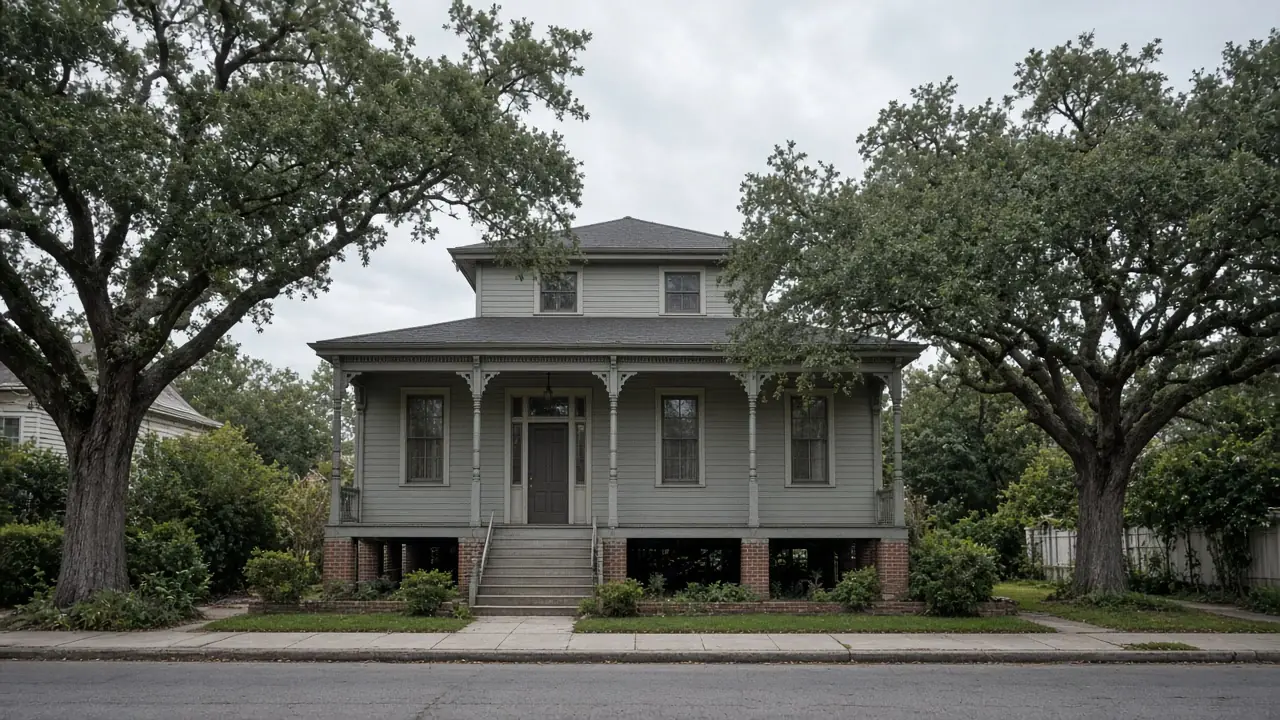
Raised on piers or poured on a slab?
Tell us where it shows
We help you learn whether the water is a leak or your own air, then line up an assessor first and a separate company to remove or dry it.
Before anyone pulls the paper
Photograph the stain, wide and close
Note when it first showed and what changed
Write down what covers the wall
Watch whether it grows after water runs
Ask for the removal company's license number
Keep the assessor away from the removal job
Have the scope on paper before work begins
Four things to tell the contractor
1. Where it shows
Which room and wall is it on, and how high up?
2. When it started
When did you first see or smell it?
3. What covers the wall
Is the wall vinyl paper, gloss paint, tile or paneling?
4. Anything dripping
Does a pipe, roof, window or AC line drip near it?
$100 off your first job
The $100 comes off once your first job in the parishes is booked.
We pay the $100 out of our fee; the contractor's price does not change.
One credit for each customer at each property they own or rent.
Book that first job on or before December 31, 2026, to use it.
Say you have the credit when you book, and we confirm it.
The Room Side promise
- You can ask us anything without paying or signing.
- The source of the water gets settled first.
- Your assessment and your removal stay with separate companies, at any price.
- Your $100 credit is applied the way our Terms say.
The work itself is between you and the company you hire.
Mold Removal New Orleans, (315) 640-3590
The wall
Why a cool wall can sweat on the inside
A cooled wall can be the wet one, with no leak at all.
The airport's 1991 to 2020 normals put the mean outdoor dew point at 75.2 F in July. A cooled house can hold its walls at or below that, so water condenses on the inside face of an outside wall, not in a storm.
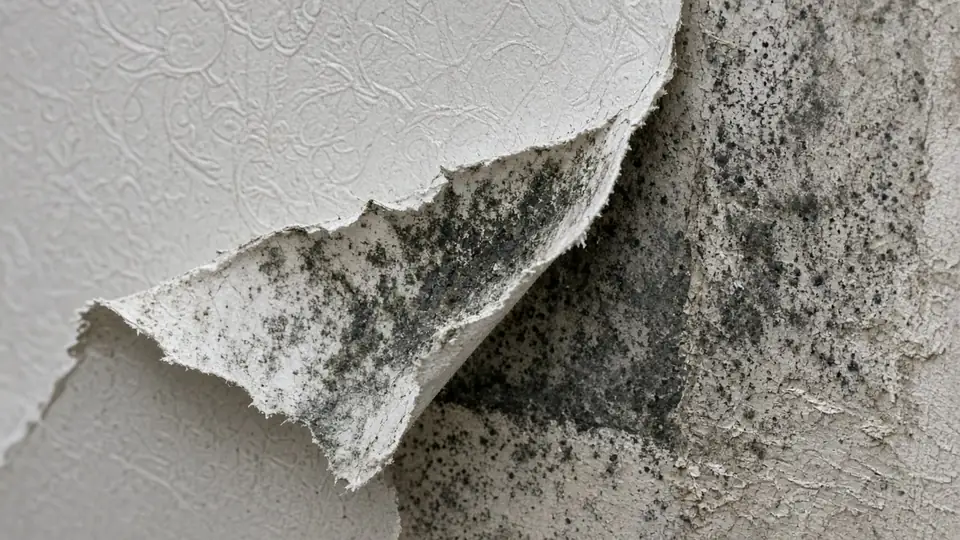
Federal building guidance lists vinyl wallpaper as a vapor barrier, and the LSU AgCenter says to avoid oil-based interior paint for the same reason. Water caught behind a face like that has nowhere to go, so growth settles on the paper's back, out of your sight. Tell the contractor what covers your wall, and leave the paper in place until the assessment is done.
Outside air
Hot, wet air presses on the siding all summer.
Siding and sheathing
A bad seam here lets rain reach the cavity behind it.
The cavity
Wet insulation holds water against the board.
The drywall
Growth often starts on the back face, out of sight.
The cool face
Vinyl paper or gloss paint here traps water that cannot dry into the room.
Room air
A cold register chills the wall, so say where your vents blow.
First question
Four ways water gets into a New Orleans wall
Before anyone opens a wall, someone has to answer one question: where did this water come from?
In a New Orleans house there are four answers, and each one sends you to a different first call. It may be a leak. It may be the ground under the house. It may be a storm. Or it may be your own room's air meeting a cool wall.
Pick the line below that sounds like your house. Then tell us which one when you send the form, so the first booking is the right one.
If you are not sure which one fits, that is normal. You may see only the stain. Tell us what you can, and ask us what to look for next.
Your own room air
A stain or smell on an outside wall, worse in summer, with no drip anywhere.
In July the outdoor air here holds more water than a cooled wall can keep. It condenses on the cool inside face, often behind vinyl paper or gloss paint.
First check: Is the wall covered in vinyl paper, gloss paint or oil-based paint?
A leak
A damp patch that grows after a shower, a rain, or the washer runs.
A supply line, drain, roof, window or AC drain pan can wet a wall with no visible drip. A line cast in a slab is the hardest one to see.
First check: Does it grow after water runs or rain falls, rather than after cooling runs?
The ground under it
A musty raised floor, or a slab that stays damp, on ground that moves.
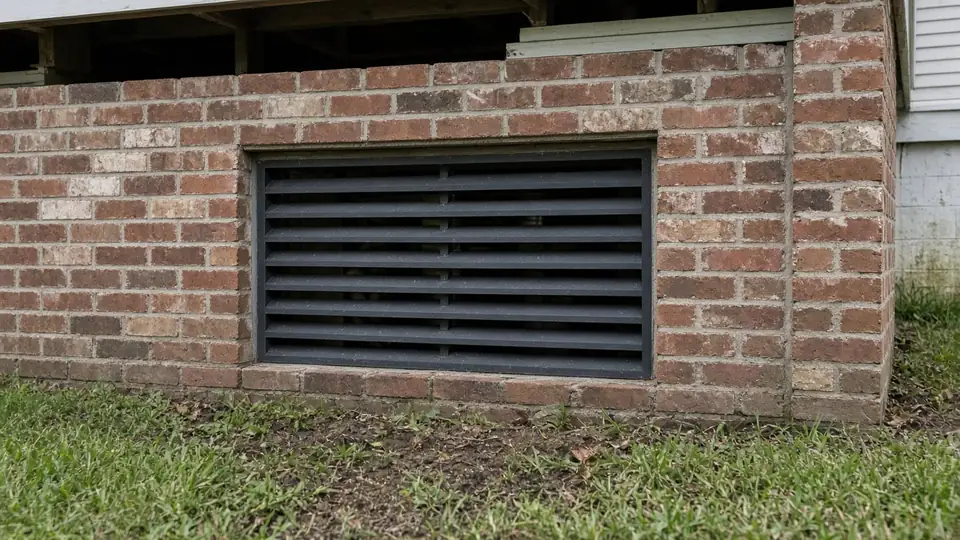
Vents under a raised house can pull humid air onto cool joists and wet them. A slab on shifting ground can crack a pipe cast in the concrete.
First check: Is the damp strongest at the floor, and is there a vented space under it?
Water that came in
Rain, surge or flood water got inside and part of the house is still wet.
Speed matters most here, and the first call is usually a drying company. The EPA puts the window for damp materials at 24 to 48 hours.
First check: When did the water come in, and did it touch the walls or only the floor?

Questions before you call
Can I wipe the stain off and be done?
For a small patch, the EPA says in most cases you can handle it yourself if it covers less than about 10 square feet. If the stain comes back, the water source was not found, so book the assessment before you repaint.
Do I need a mold test before I book anything?
Often not. Where growth can be seen, the EPA calls sampling unnecessary in most cases, and the CDC does not recommend testing. What you need is someone to find where the water arrives.
Who does the work if you are not the contractor?
Separate local companies handle each job. We help you book them in the right order, and we suggest what to ask each one, and the contractor sets the price.
Does my type of house change the first step?
Yes. A raised house starts with the space under the floor, a slab house starts with a leak check, and a shared wall starts with the owner. Pick yours in the chooser above and tell us when you send the form.
Should I open the windows to dry out a wet room?
In summer, usually not. The outdoor air here carries more water than the room, with a normal relative humidity of 92 percent at 6 a.m. in July and August, so open windows add water. Run the AC and call a drying company if the water was recent.
I rent. What should I do about the mold?
Write down where it shows and when it started, photograph it, and send the owner a dated message. Ask who will find the source, then read our rental guide for what to ask before anyone cuts anything.
How can I check a removal company's license?
Use the Louisiana State Licensing Board for Contractors' public search by name or license number. It lists only companies whose license is currently active, so ask for the number before you sign.
How fast does wet material have to dry?
The EPA's window for damp materials is 24 to 48 hours. If the water came in this week, book the drying first and ask the assessor to come once the house is stable.
Your house
Raised on piers, poured on a slab, or sharing a wall
The same stain means different things in different houses, so say which one you live in.
If your house is raised on piers over a vented space, in summer those vents can pull humid air onto cool joists, and the underside of your floor gets wet while the rooms above look fine. Ask the assessor to go under the house before anyone strips a wall upstairs.
If your house sits on a slab, some supply lines may run through the concrete. A damp slab or a stain low on a wall can be a leak you cannot see. Ask for a leak check first.
If you rent, or live upstairs, you may not control the pipe or the paper. Record what you see, email the owner, and book the assessment so you both work from the same facts.
North of the lake, ask the assessor about the wall face as well as the floor, since a cooled wall can be wet from the room side there too.
The lake
Which side of the lake is your house on?
Ground and drainage change from one shore to the next, so a town page is not a copy of the one beside it.
South of the lake, Orleans, Jefferson, St. Bernard and Plaquemines parishes sit low behind levees and rely on pumps to stay drained. North of the lake, Slidell, Mandeville and Covington stand on higher ground. Laplace lies up the river, where a state levee project is still under construction.
Find your town in the list below. Each page tells you what the ground there means for a wet house and which office handles permits, because a permit in a parish community is the parish's to give, not a city's.
South Shore
North Shore
River parish
Three jobs
Three jobs, and three different companies
Your problem rarely needs all three at once. Here is what each one settles.
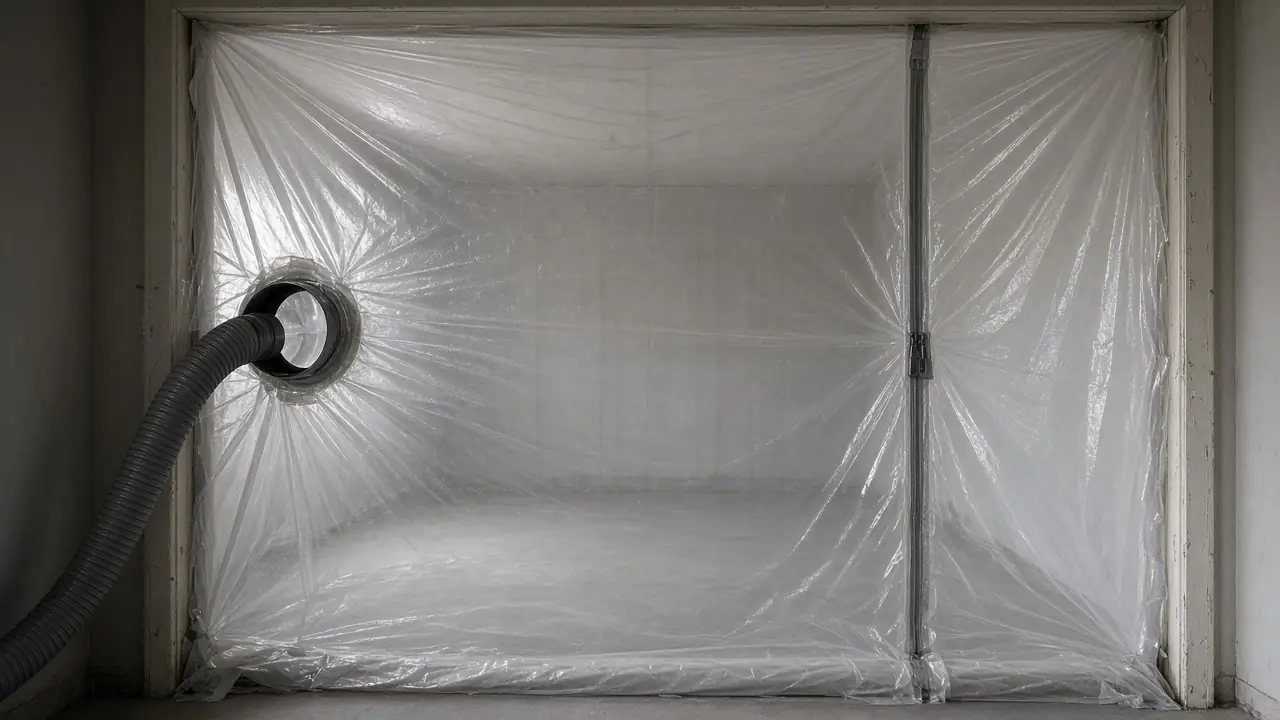
Mold Removal From Walls, Floors and Crawl Spaces
Removal from a company that did not write your report.
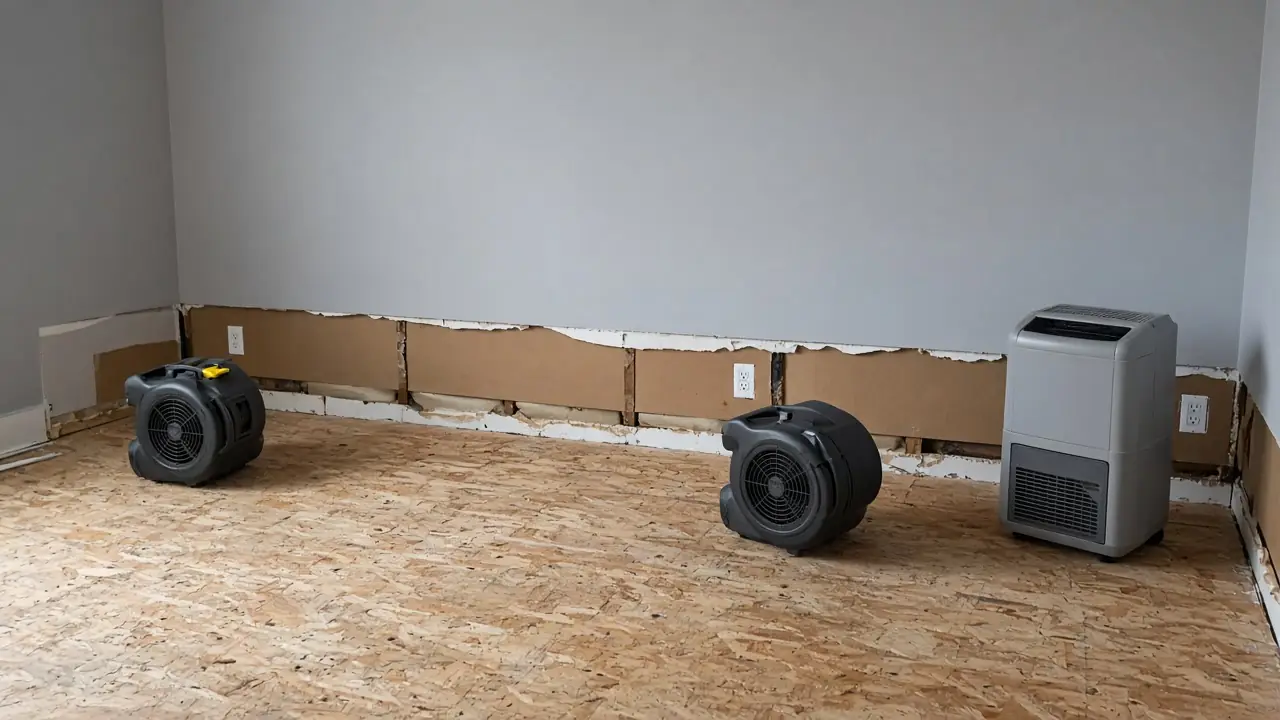
Water Damage Drying With the House Closed
Dry the house fast, with the doors and windows shut.
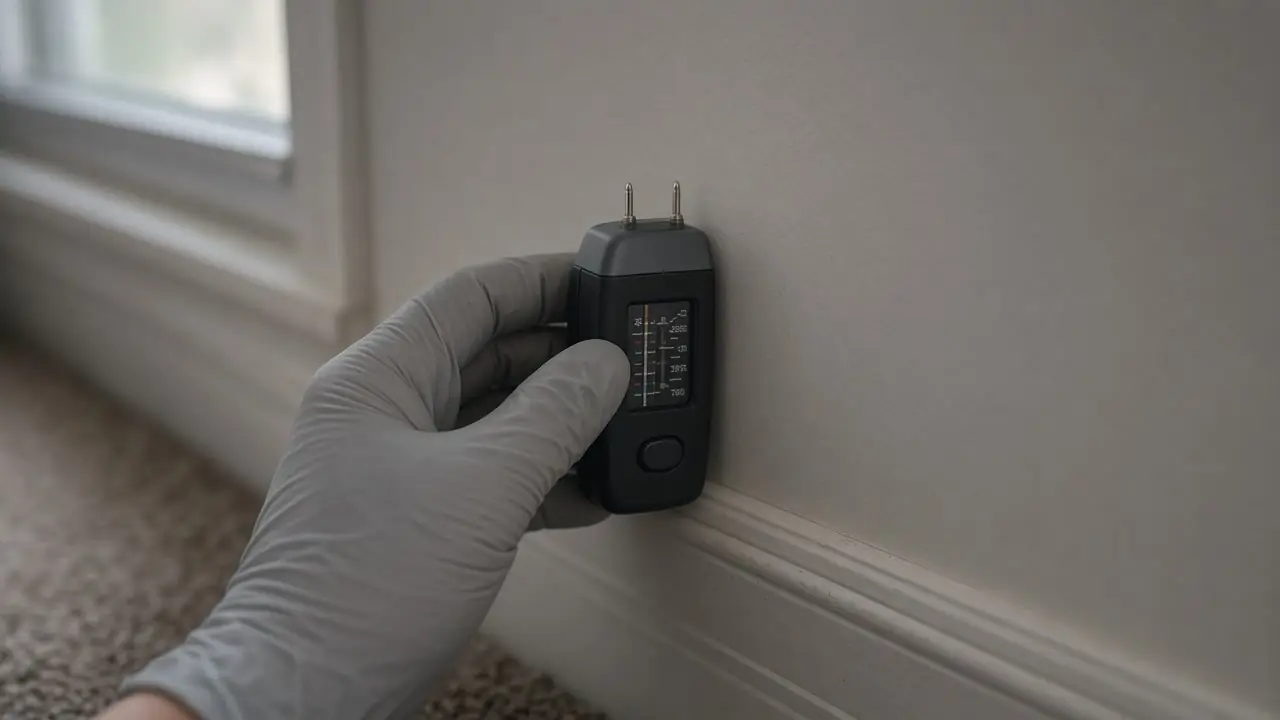
An assessment finds where the water arrives and what it has reached, and it ends in a written report. Removal takes out or cleans what growth has damaged, with the area sealed off. Drying pulls water out of a wet house fast, with the doors and windows shut, because summer air outside adds water instead of taking it away.
Louisiana licenses mold removal companies, and its licensing chapter creates no assessment license. For removal work of $7,500 or more, state law bars a mold remediation contractor from doing both the assessing and the removing on your property. We keep them apart at every price, so ask any assessor for their training, and look up a removal company's license number on the state board's public search before you sign. Tell us which job fits and we help you book it.
The order
From your first message to the written findings
The order matters more than the speed, except when the house is wet right now.
- 01
Tell us
Tell us where you see it and what kind of house you live in.
- 02
Get the assessment
Get the assessment from a company that will not do the removal.
- 03
Pick who does the work
Pick who removes or dries it, with the written findings in hand.
You tell us the room, the wall and the kind of house. We help you book an assessor, and you ask them for what they will measure and what they will put in writing.
The findings come to you in writing. You can then ask two removal companies to price the same written scope. If water is still standing or soaking in, you book the drying first and the assessment as soon as the house is stable.
You stay in charge of each step. Nothing is signed to ask a question, and you can stop after the assessment if the findings show you do not need removal. If you do need it, you pick the company, and you hold the written scope when you do.
Your street
Age and foundation change where the water hides
House age tells you what is likely inside the wall before anyone cuts it open.
The median home in New Orleans was built in 1960. In Covington it was built in 1991. Age and foundation change where the water hides, so tell the assessor both and ask what they would check first in a house like yours.
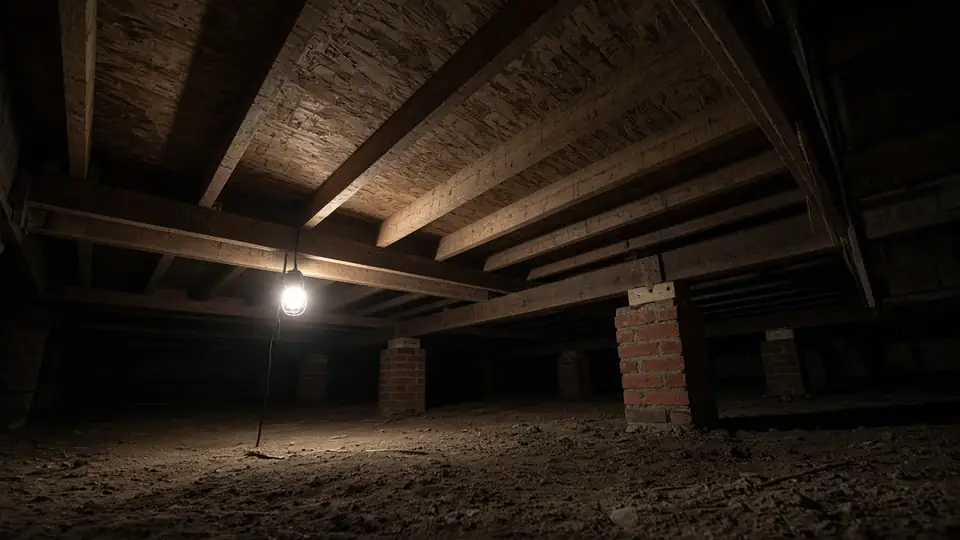
Federal rule 44 CFR 60.3(c)(2) puts the lowest floor of new and substantially improved homes in mapped zones at or above the base flood level. A raised house can still have a vented crawl space that holds humid air, so say so if yours is one.
The price
What moves the price of a mold job
The company you hire sets the price, so ask each one the same questions.
- How much material is wet or damaged, and how far the growth runs behind it.
- Whether the source is fixed first, because a repair before removal changes the whole scope.
- How hard the area is to reach: a crawl space, an attic or a finished wall.
- Whether the job needs a sealed work area, air scrubbing or several days of drying.
- Whether a permit applies, and which office issues it.
Ask every company for the scope in writing, so you can compare two prices for the same work.
If you hold a quote now, send us the scope. We help you see what it leaves out, and what to ask before you sign.
Who this is for
Homeowners with a stain or a smell
Something shows on a wall or floor, and you want to understand it before spending.
Renters and tenants
You do not own the wall. Write down what you see, tell the owner and ask what they plan.
Anyone holding a tear-out quote
A contractor named a price before anyone asked where the water came from. Ask first, then decide.
Assessor and remover stay apart
The company that writes up your house does not take the removal job, so the report is not a quote in disguise.
The source comes first
A leak, your room's air, the ground under the floor and a storm each call for a different job.
Ask before you commit
Send a request or call. Nothing is signed, and nothing is owed, to ask a question.
Three questions
Three questions to ask any contractor
What is your Louisiana mold remediation license number?
Louisiana requires a license for mold removal work of $7,500 or more. Check the number on the state board's public search.
Who writes the findings, and will they also do the removal?
Louisiana's licensing chapter creates no assessment license, so ask what training they have and that they will not take the removal job.
Where is the water arriving, and how do you know?
A good answer names a leak, your room's air, the ground or a storm, and shows you the reading or photo.
Basis: La. R.S. 37:2150.1, Definitions; Contractor Search, Louisiana State Licensing Board for Contractors
Name the water before anyone opens the wall.