
Mold Assessment, Removal and Water Damage Drying in New Orleans
Which of the three you need turns on two things: whether anything is still wet, and whether anyone has established where the water is arriving from. Water caught in the first day or two can often be dried in place, and the EPA describes acting inside 24 to 48 hours as the way to avoid needing a removal at all, so drying is its own job with its own clock and it is the cheapest outcome on this list. Past that window somebody has to work out how far the water went, and whether the wall is leaking or condensing, before anything is cut open. In Louisiana that finding has to come from a different company than the one doing the cutting.
What we arrange
Mold Assessment and Moisture Survey
What you get is a verdict in writing: the rooms affected, the wet material, where the water is arriving from, what stopping it involves, and what putting the room back would take, with dated moisture readings and photographs behind every line. Where the water comes from is the whole question here, and it is the one a flashlight will not settle, because in this metro the water often does not arrive through anything at all. The NOAA thirty year normals for the airport put the mean dew point at 75.2F in July and 75.1F in August, at or above the temperature a cooled house holds its walls at, so on an average summer day moisture condenses out of the air onto the inside face of an exterior wall and the air conditioning is what made that surface cold enough. People here describe it exactly right when they say the wall is sweating. Put anything on the room side of that wall that water vapor cannot pass through, vinyl wallcovering most of all, and the growth lands on the back of it where nobody looks. So the survey is bought on its own, and in Louisiana that is not merely good practice. R.S. 37:2158(A)(19)(c) makes it a violation for a mold remediation contractor to perform both mold assessment and mold remediation on the same property, and subsection (d) closes the two-firm version of the same thing. Whoever eventually opens a wall in your house is somebody else, which is what makes the finding worth reading.
Read more →Mold Removal and Remediation
A removal takes out the material the growth has gone into, cleans what stays, dries the structure to a reading and leaves the room ready to be put back. In this metro the part that decides whether it lasts is the cause, and the cause is frequently sitting in plain sight on the wall. The LSU AgCenter's position for a hot-humid climate is that the inside face of an exterior wall has to stay as permeable as possible, and that having no vapor barrier on the inside is more important than having one outside: none is preferable to one on the wrong side. So stripping vinyl wallcovering off an exterior wall, or turning a foil-faced batt around, is a genuine repair here rather than redecorating, and a removal that replaces the drywall and leaves the condensing plane in place has bought you a few seasons. The order of work follows from that. The water source closes first, the material comes out second, the wall goes back in a form that can dry inward. And the whole thing is priced against a scope written by somebody else: R.S. 37:2158(A)(19)(c) makes it a violation for a mold remediation contractor to perform both mold assessment and mold remediation on the same property, and (d) makes it a violation to own an interest in both entities. Above seven thousand five hundred dollars the contractor also holds a state license you can check yourself in one click, and owes you a written report.
Read more →Water Damage Drying and Flood Cleanup
Water out, machines in, and the structure dried to a measured reading inside the window that decides what this ends up costing. The EPA puts that window at 24 to 48 hours and states that materials dried inside it will in most cases not grow mold: material dried in time is material you keep, material still wet after it is material that comes out. That is the whole reason to act today rather than at the weekend. What makes it bite in New Orleans is that the usual advice does not work here. Opening the house imports water rather than removing it: the airport normals put the annual mean relative humidity at 76 percent and 88 percent at six in the morning, against an EPA target of below 60 percent indoors, and a July mean dew point of 75.2F is already saturated at 75F. There is no hour of a summer day when outdoor air will get a room under the EPA number. Reaching it is a purchase, a dehumidifier working alongside the air conditioning in a closed house, not a habit. And the water reaches the property line more often than people expect: the Sewerage and Water Board states that once its system fills it can move about half an inch of rain an hour, and that an inch in an hour will most likely outpace it, in a city whose normal rainfall is 63.35 inches a year.
Read more →The equipment these jobs actually arrive with

Not sure which one you need?
Describe the problem and we will point you to the right work.
Request a Quote
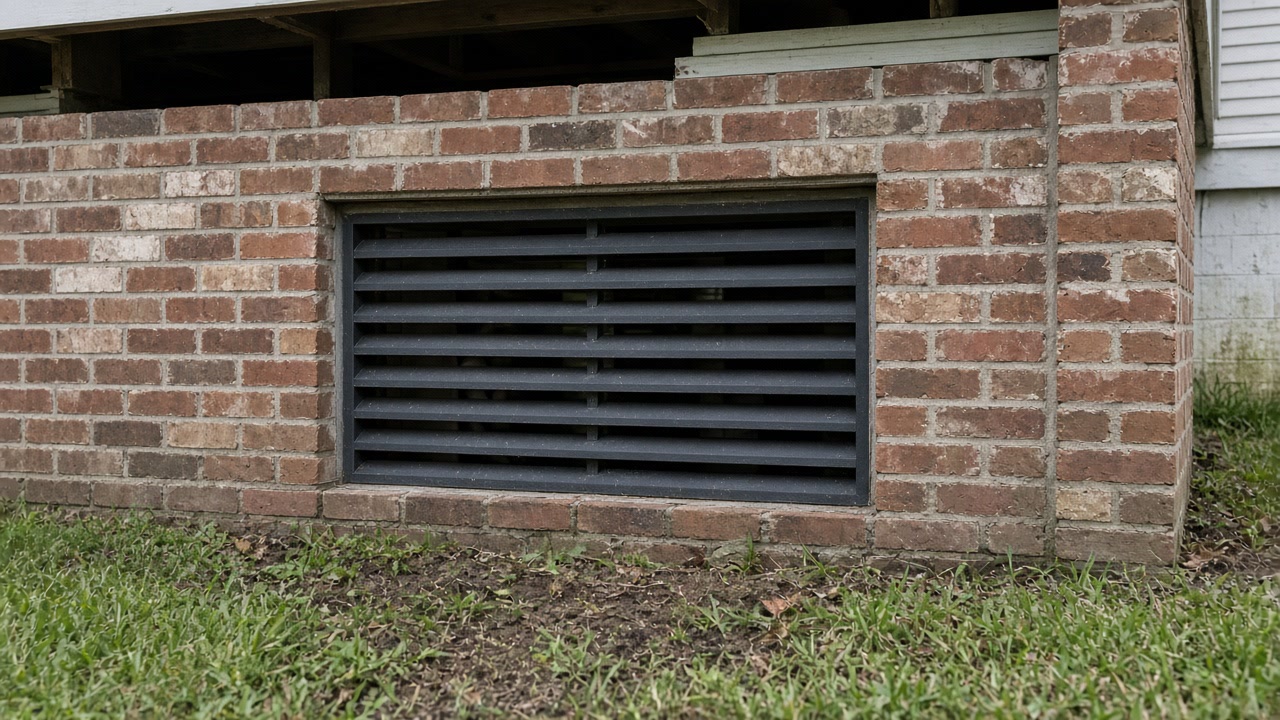
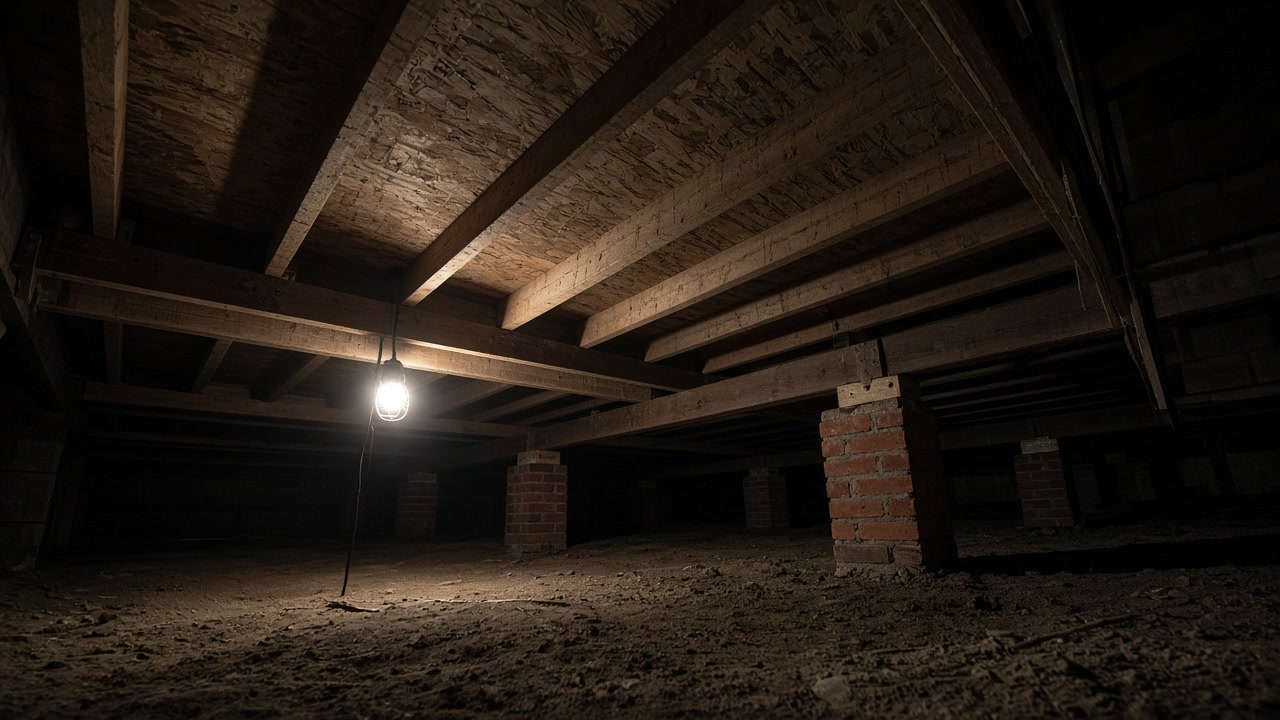
Tell us what you can see or smell, roughly where in the house it is, and whether the house is raised or on a slab. Those three things narrow it more than the size of the patch does, because they point at how the water is arriving rather than where it ended up.
Would you rather talk it through? Call (315) 640-3590.
$100 off your first job
Credited by us on your first booked job.
- One credit per customer per property, on your first booked job.
- Valid through December 31, 2026.
Mention this offer when you book. Full terms.
Tell us what you are seeing
Tell us what you are dealing with and we will take it from there.