
Water Damage Drying in Harvey on Reclaimed Swamp Ground
Drying arranged as soon as you tell us, with the house kept closed and the readings kept until the walls are actually dry.
Water Damage Drying quote in Harvey
Tell us what you can see or smell, roughly where in the house it is, and whether the house is raised or on a slab. Those three things narrow it more than the size of the patch does, because they point at how the water is arriving rather than where it ended up.
Would you rather talk it through? Call (315) 640-3590.
$100 off your first job
Credited by us on your first booked job.
- One credit per customer per property, on your first booked job.
- Valid through December 31, 2026.
Mention this offer when you book. Full terms.
Drying below sea level in Harvey
The goal of drying a Harvey house is to have every wet material back to normal before the second day ends, which is the EPA's line between drying and mold cleanup. The ground here does not help. Harvey's interior point sits 3.50 feet below sea level, and the soil series named for neighboring Westwego describes this landscape as semifluid clayey swamp before it was reclaimed, now drained and generally two or three feet below sea level. Water that gets in has nowhere lower to go. The crew extracts what is standing, then dries the air mechanically, because opening the house would bring in more water than it lets out.
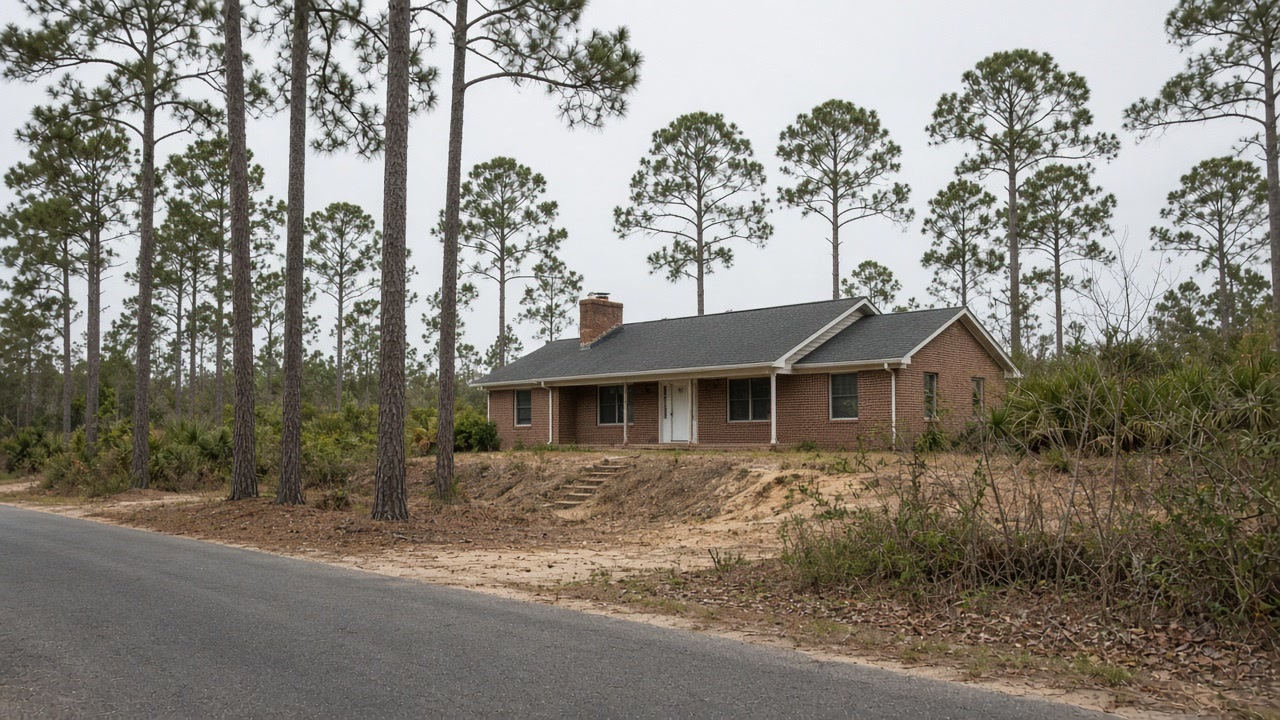
What water damage drying involves in Harvey
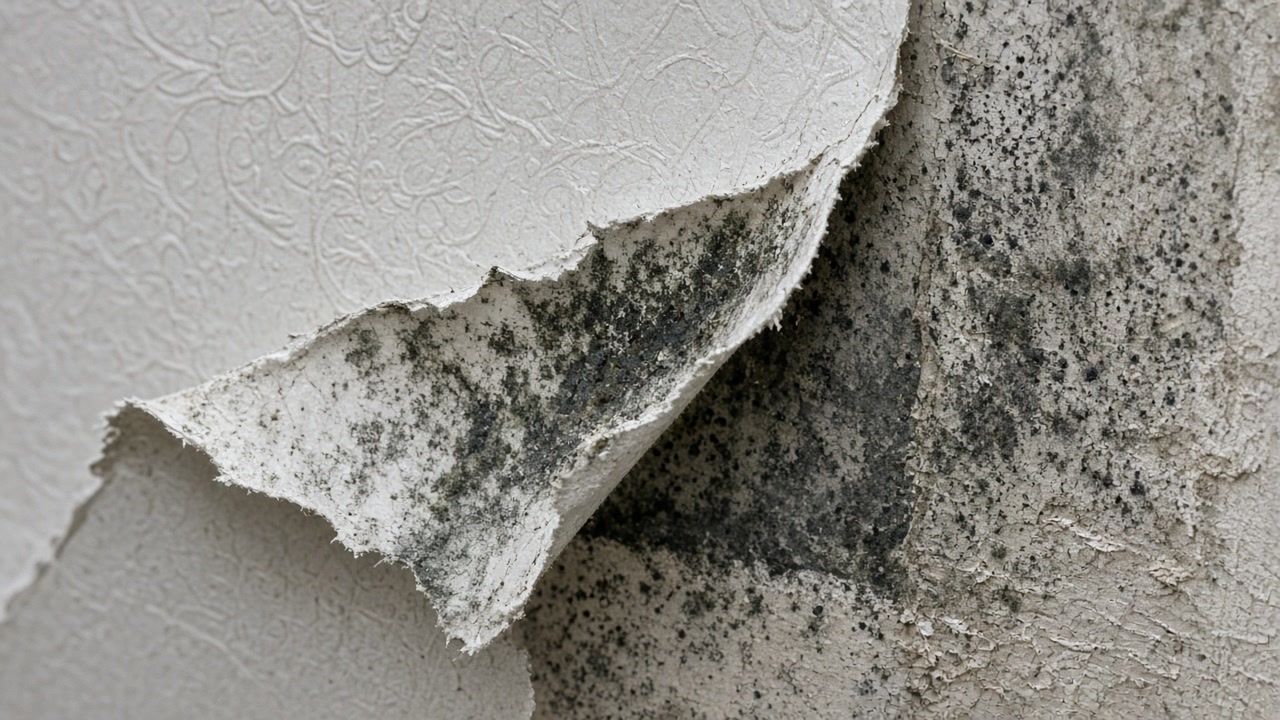
Harvey drying: extraction, source and history
Tell the crew what has already been removed and what has not, and whether this address has flooded before. 379 Harvey properties have been paid for four or more floods, and a house on that list can have old damage behind the paint that a fresh drying job will not reach. If the floors are hard and the water was clean, a lot can be dried in place. If it came from outside, expect carpet and pad to go. Keep photographs of every room before anything moves.
Standing water or wet materials
Standing water needs extraction first. Wet materials without standing water go straight to dehumidification and airflow.
Clean line water or outside water
Outside water brings whatever was in the street and needs cleaning as well as drying. Say which it was.
Whether this address is a repeat
A repeat house may need the lower wall opened after drying, to check for damage from earlier events.
Harvey's ground: reclaimed swamp and measured loss
Harvey's Census Bureau interior point stands 3.50 feet below sea level under the USGS national elevation dataset.
Source: United States Geological Survey, The National Map, 3D Elevation Program Point Query Service, 1/3 arc-second elevation, accessed 2026-09-22
The USDA soil series named for Westwego, established in Jefferson Parish in 1981, describes soils on drained areas between the natural levees and marsh, where the landscape was semifluid clayey swamp and swamp-marsh transition prior to reclamation, at elevations generally two or three feet below sea level, now used mainly for urban land and pastureland.
Source: United States Department of Agriculture, Natural Resources Conservation Service, Official Series Description, accessed 2026-09-22
The same study measured the maximum urban rates of elevation loss, between 30 and 47 millimeters a year, in the area around Louis Armstrong International Airport, and rates from 2 to more than 20 millimeters a year in areas including Kenner and Harvey.
Source: Fiaschi, Allison and Jones, Vertical land motion in Greater New Orleans, Science Advances, via PubMed Central, accessed 2026-09-22
The EPA states that wet or damp building materials and furnishings should be cleaned and dried within 24 to 48 hours to prevent mold growth, and that if wet or damp materials or areas are dried 24 to 48 hours after a leak or spill happens, in most cases mold will not grow.
Source: United States Environmental Protection Agency, accessed 2026-09-22
Is anything still standing on the floor?
Tell us how deep and in which rooms. Extraction comes before drying, and it decides what equipment goes in.
Harvey survey and removal after the drying
Harvey drying questions about low ground
Is the ground under Harvey still dropping?
The regional study measured rates from 2 to more than 20 millimeters a year in areas including Kenner and Harvey, while most of the urban area was relatively stable. That is not a statement about your lot, and a drying crew cannot measure it. What it does mean is that low ground stays low, so drying after water gets in is worth starting promptly.
Can I use the air conditioning while the house dries?
Usually yes, if the electrics are safe and the unit was not flooded, and it helps: the air outside in summer carries a mean dew point of 75.2F, so the air conditioning and dehumidifiers are what actually pull water out. Keep the windows shut while the equipment runs.
Send the Harvey water height and the rooms it reached
Photos of every wall before anything moves. A person reads them and arranges drying.