
Mold Assessment in Harvey for Houses That Keep Getting Wet
A written record of what repeat water has done inside the walls, so the fourth time is judged on readings rather than memory.
Mold Assessment quote in Harvey
Tell us what you can see or smell, roughly where in the house it is, and whether the house is raised or on a slab. Those three things narrow it more than the size of the patch does, because they point at how the water is arriving rather than where it ended up.
Would you rather talk it through? Call (315) 640-3590.
$100 off your first job
Credited by us on your first booked job.
- One credit per customer per property, on your first booked job.
- Valid through December 31, 2026.
Mention this offer when you book. Full terms.
Harvey's four-times-paid addresses, from the federal file
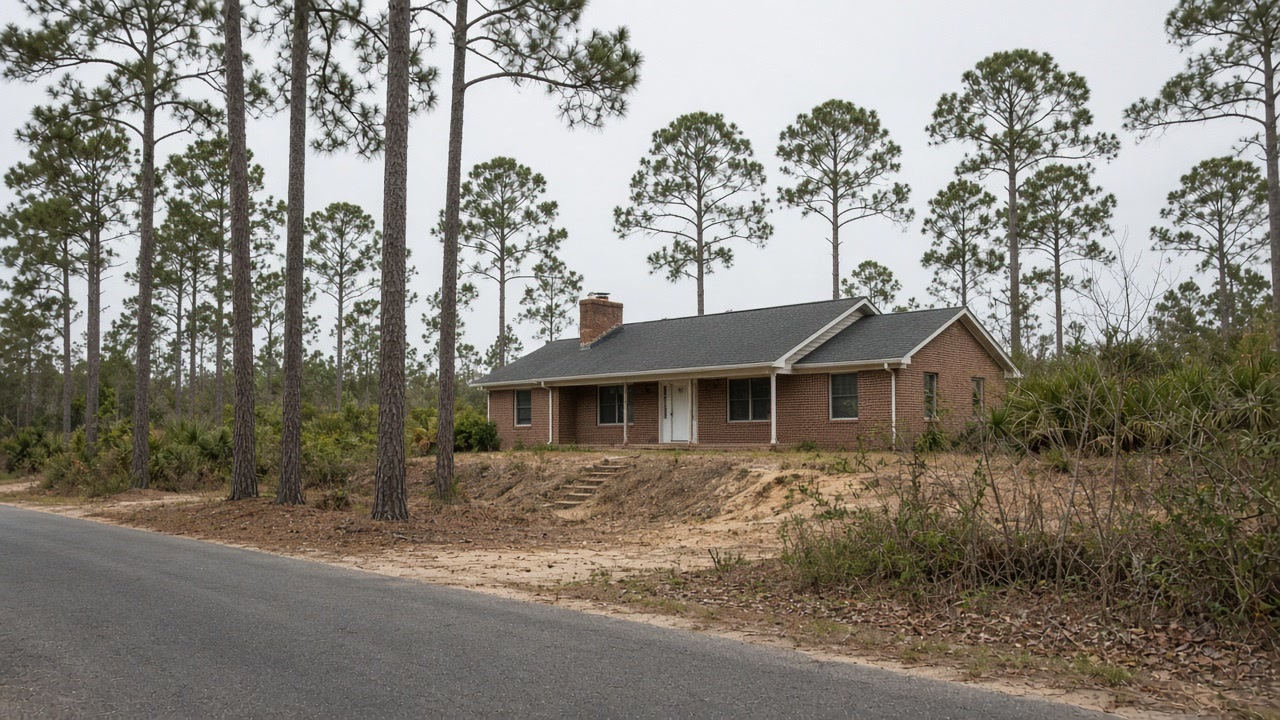
Harvey records 794 National Flood Insurance Program multiple loss properties, of which 379, nearly half, have four or more paid losses and 338, 43 percent, sit outside the mapped high risk flood zone.
Source: Federal Emergency Management Agency, OpenFEMA dataset NFIP Multiple Loss Properties, data as of August 2, 2026, accessed 2026-09-22
Harvey has 9,253 housing units with a median year built of 1975. 61.8 percent predate 1980 and only 231 units, 2.5 percent, predate 1940. Renters occupy 47.3 percent of occupied homes, the fourth highest share in this service area.
Source: United States Census Bureau, American Community Survey 2020-2024 five year estimates, accessed 2026-09-22
Across the West Bank a large share of repeat flooding happens outside the mapped high risk flood zone: 715 of Marrero's 1,928 multiple loss properties, 37 percent, 338 of Harvey's 794, 43 percent, 138 of River Ridge's 314, 44 percent, and 92 of Westwego's 209, 44 percent. In Terrytown the figure is 11 of 304, under 4 percent.
Source: Federal Emergency Management Agency, OpenFEMA dataset NFIP Multiple Loss Properties, data as of August 2, 2026, accessed 2026-09-22
The EPA advises that if the moldy area is less than about 10 square feet, less than roughly a three foot by three foot patch, in most cases a homeowner can handle the job themselves.
Source: United States Environmental Protection Agency, accessed 2026-09-22
Documenting a Harvey house that has flooded before
A survey in Harvey is often less about finding the water than about documenting what it has left behind. Of the town's 794 repeat-loss properties, 379, nearly half, have been paid for four or more floods, and 338 sit outside the mapped high risk zone. A house wetted that often can have dried out on the surface while the bottom plate, the insulation and the back of the drywall hold the history. The survey opens small inspection squares where the meter says to, photographs what is behind them, and dates it all, which gives you a baseline the next event can be measured against.

What to tell a Harvey surveyor about past water
Tell the surveyor how many times water has come in and roughly when, even if you are unsure. A repeat house calls for more openings and a fuller record than a first event, and it changes who will read the report: a lender or buyer may want it as much as you do. If the address is off the map, do not let that settle anything; in Harvey 43 percent of the repeat flooding happened off it. And if the growth turns out small, under about ten square feet, the EPA says most homeowners can handle it themselves.
How many times, and when
Even rough dates help. The survey records which layers have been wet before, and a count tells the surveyor how deep to look.
Whether you want a baseline
A dated survey after this event is the thing a future one is compared against. Ask for it in a form you can keep.
Whether renting changes who orders it
Renters occupy 47.3 percent of Harvey's occupied homes. If you rent, agree access and copies with the owner first.
Is this the first time, or the fifth?
Tell us roughly how many times water has been in and when the last one was. It changes how much of the wall the survey opens.
Harvey removal and drying after the survey
Harvey survey questions about repeat flooding
We are outside the flood zone in Harvey. Why would the report mention flooding at all?
Because 338 of Harvey's 794 repeat-loss properties, 43 percent, sit outside the mapped high risk zone. Being off the map is a statement about modeled risk, not about what has happened at your address. If there is a water line on the wall or a history you know of, the survey records it either way.
Can the survey tell me whether mold from an old flood is still in the wall?
It can tell you whether the materials are wet now and show you what is behind the finish in the places it opens. That is usually enough to say whether an earlier event left growth behind. Testing the air rarely adds to that; the CDC does not recommend mold testing.
Send the Harvey address history as you know it
Dates, water heights, what was replaced last time. A person reads it and says what the survey needs to record.