
Mold Removal in New Orleans: What Safety and Permits Needs to See
A removal scope that says what comes off the wall, what goes back in its place, and which parts of the job the city's permit office needs to see.
Mold Removal quote in New Orleans
Tell us what you can see or smell, roughly where in the house it is, and whether the house is raised or on a slab. Those three things narrow it more than the size of the patch does, because they point at how the water is arriving rather than where it ended up.
Would you rather talk it through? Call (315) 640-3590.
$100 off your first job
Credited by us on your first booked job.
- One credit per customer per property, on your first booked job.
- Valid through December 31, 2026.
Mention this offer when you book. Full terms.
Permit, finish and scale for a New Orleans removal
Ask for the replacement as well as the removal. Putting a fresh vinyl covering back on the same cooled wall rebuilds the fault, so the scope should name a permeable finish for the room side. Then check the scale. If the work runs past half the value of the structure, the city's application requirements add a benchmark certificate from a registered land surveyor, dated within six months, which is a lead time worth knowing about early. And because the city and Orleans Parish are one jurisdiction, there is only one office to satisfy.
Which items are finish and which are construction
Stripping and repainting sit on the city's exempt list. Replacing studs, sheathing or a section of wall does not. A scope that separates the two tells you whether a permit is in the picture at all.
What goes back on the wall
A permeable paint or finish, not another vinyl sheet. Rebuilding the same low-permeance layer on the same cooled wall invites the same growth on its back.
Whether the job crosses the $7,500 line
Louisiana's definition of a mold remediation contractor starts where labor and materials exceed $7,500. Above it the contractor owes you a written report; below it, that duty reaches nobody, so ask for the report anyway.
What the city's permit guide says about New Orleans walls

The City of New Orleans states that building permits are issued by the Department of Safety and Permits, that a permit is needed to construct, enlarge, alter, repair, move, demolish, or change the occupancy of a building or structure, and that interior painting, papering and similar finish work is exempt. The guide directs anyone uncertain about whether a permit is needed to call the Building Division.
Source: City of New Orleans, Guide to Building Permits, accessed 2026-09-22
The City of New Orleans building permit application requirements list a benchmark certificate completed by a registered land surveyor on the city's three-part form, with original seals, stamped and dated within the last six months, among the items required for new construction, additions, and renovations where the work will exceed 50 percent of the value of the structure.
Source: City of New Orleans, Department of Safety and Permits, Building Permit Application Requirements, accessed 2026-09-22
The city of New Orleans and Orleans Parish are coextensive. The American Community Survey returns identical housing figures for the two geographies: 195,552 units, median year built 1960, 61,327 units built in 1939 or earlier.
Source: United States Census Bureau, American Community Survey 2020-2024 five year estimates, accessed 2026-09-22
The LSU AgCenter states that any moisture that gets in a wall must be able to dry to the inside, that the interior side of the wall should be as permeable as possible, and lists what that rules out: no vinyl wallpaper, no oil-based interior paints and no interior vapor barrier on insulation.
Source: LSU AgCenter, Bill Robinson and Claudette H. Reichel, Ideal Wall Assemblies for Hot-humid and Mixed-humid Climates, accessed 2026-09-22
Louisiana R.S. 37:2150.1(11) defines the regulated person by the size of the job: a mold remediation contractor means any person who engages in removal, cleaning, sanitizing, demolition, or other treatment, including preventative activities, of mold or mold-contaminated matter that was not purposely grown at that location and where the costs for such labor and materials exceed seven thousand five hundred dollars. Mold remediation applies only to the regulation of mold-related activities that affect indoor air quality and does not apply to routine cleaning when not conducted for the purpose of mold-related activities intended to affect indoor air quality.
Source: Louisiana State Licensing Board for Contractors, Contractors Licensing Law and Rules and Regulations, effective August 1, 2022, accessed 2026-09-22
What mold removal involves in New Orleans
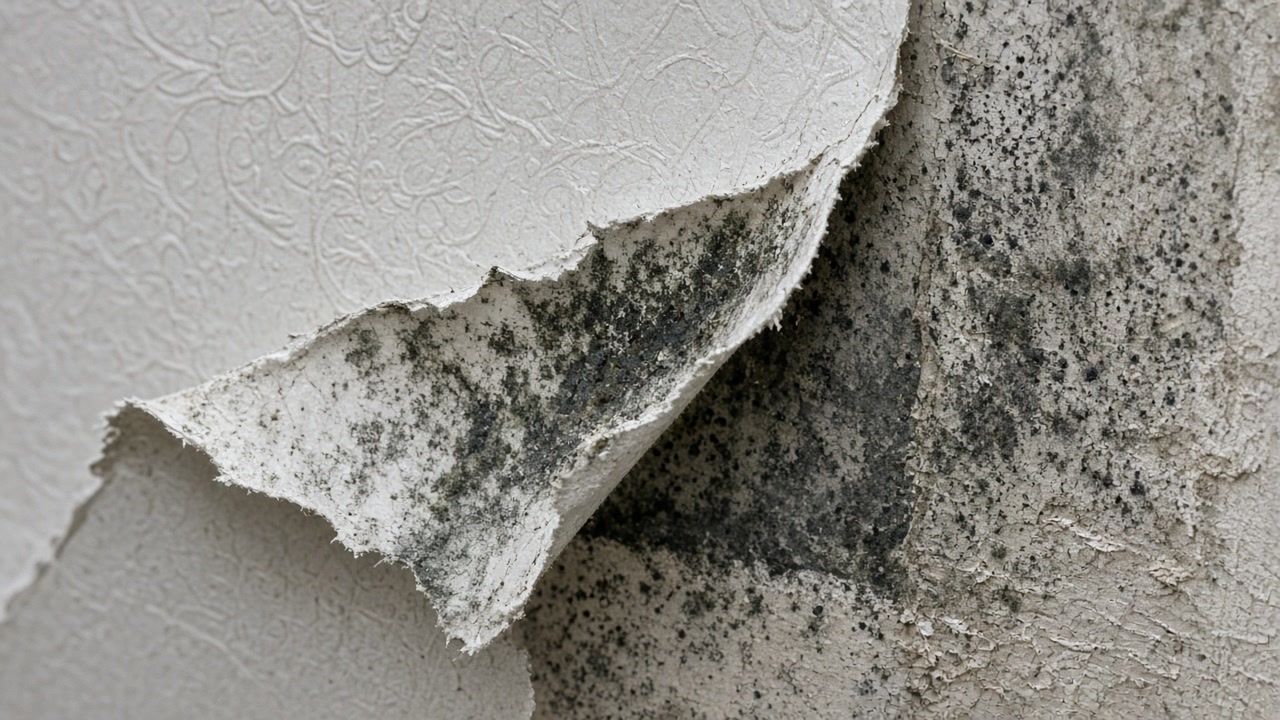
What comes off a cooled New Orleans wall
Removal here is usually less about killing growth than about taking off the layer that caused it. In an older New Orleans house that is often the vinyl wallpaper or oil-based paint on an exterior wall, the one layer the LSU AgCenter says the room side of a wall in this climate should never carry, and the drywall or plaster behind it where the growth sits. The permit line follows the same split. The city's own guide exempts interior painting and papering from a permit, while repairing or altering the structure needs one from the Department of Safety and Permits, so the scope should mark which items are finish and which are construction before anyone starts cutting.
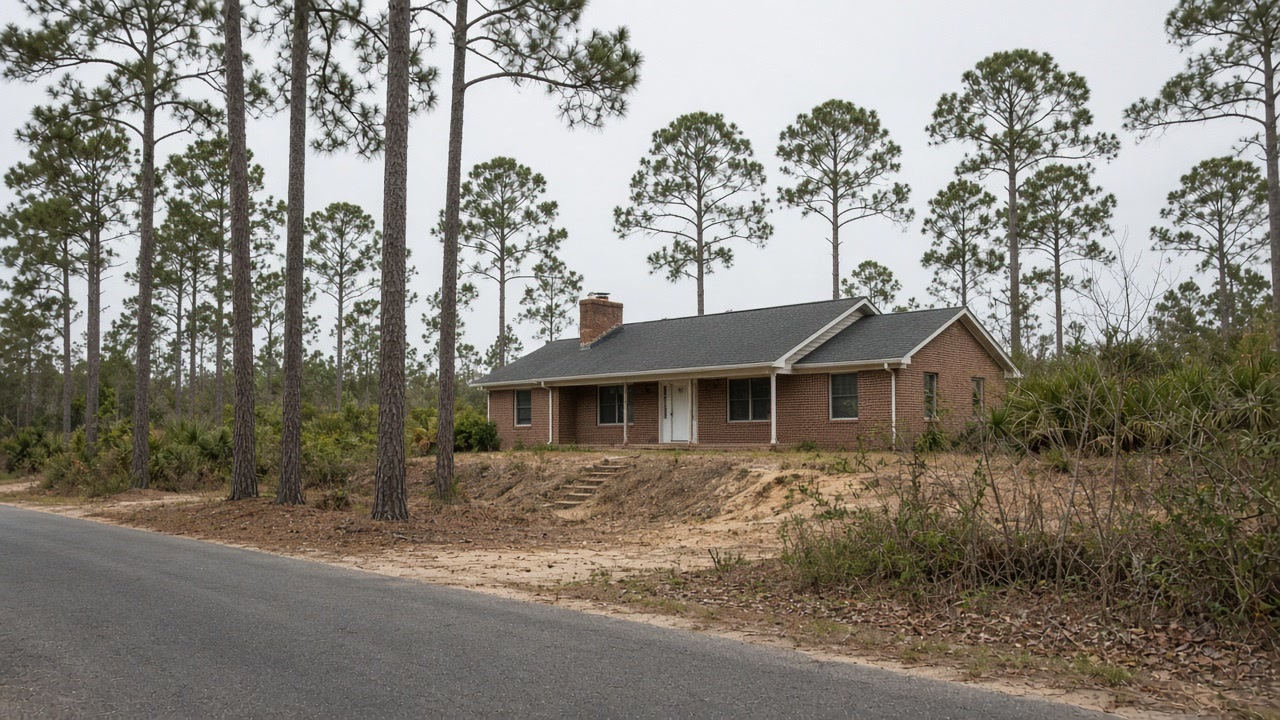
Paper, plaster or drywall coming off?
Tell us what the wall is made of and what is on it. That decides the scope, the finish that replaces it and whether the city needs a permit.
New Orleans removal questions about permits and paper
Does taking wallpaper off a moldy wall need a New Orleans permit?
The city's own permit guide lists interior painting, papering and similar finish work as exempt. Removing and replacing drywall, studs or sheathing is repair or alteration of the structure, which is where a permit comes in. Where you are unsure, the same guide points you to the Building Division before work starts, which costs a few minutes.
How do I check the contractor doing the removal?
The state contractor licensing board publishes a free public search by name, license number, parish and contractor type, and it returns only licenses that are currently active. Search the company itself rather than relying on a logo. The license is the contractor's, and it is what shows they met the board's training and insurance requirements.
Send the New Orleans assessment, or photos of the wall
If you already have a written assessment, send it. If not, send photos and we will say which comes first.