Guide
A small stain and a big quote: how to tell whether you need anyone
Is a stain on your wall small, and a company has quoted you a lot? Before you spend, ask whether you need a contractor at all. Sometimes a dry wall and a fixed source are enough. Sometimes a hidden source means you do. This guide helps you tell the difference.
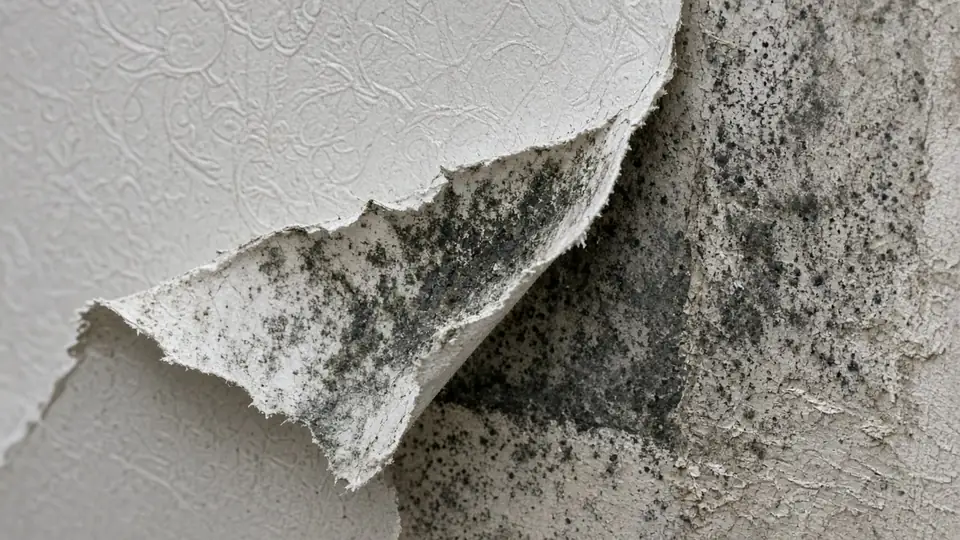
When a small patch is yours to handle
For a moldy patch up to about 10 square feet, a square roughly three feet on a side, the EPA leaves the cleanup to the owner. Louisiana also exempts a residential owner who does mold work on their own property from the removal license.
That holds only if you know why it got wet and have already fixed it. A wiped wall that gets wet again will grow the same patch back. So the first question is not how big it is. It is where the water arrived.
When you probably do
Each of these is a reason to call for help.
- The patch is larger than about 10 square feet, or it appears in several rooms.
- It keeps coming back after you clean or paint.
- You cannot find a leak, but the wall is wet or cold.
- Soft materials stayed wet: carpet pad, insulation, ceiling tile.
- Water came in from a storm or a drain, not from clean plumbing.
- You are unsure whether the stain is on the wall or behind it.
If two or more of these fit, book the assessment before anything else.
What to do yourself first
Do the free things that can only help. Stop any leak you can see. Keep the AC running and bring the room's humidity down toward the EPA's 30 to 60 percent, since the CDC says stay at or under 50. Dry any wet hard surface fast.
Leave the wall alone otherwise. Do not peel wallpaper, cut board or spray bleach. The EPA does not recommend bleach-type biocides for routine cleanup, and growth may sit on the back of the paper.
Which call comes first
If water came in within the last day or two, call a drying company first, because the clock is 24 to 48 hours. If the house is dry and the stain will not go away, call for an assessment first.
If a contractor quotes a tear-out and you have not had an assessment, ask who found the source. Then ask the same of a second company before you sign.
Why a test is not a substitute
When growth is already visible, the EPA treats sampling as unnecessary in most cases. With no federal limits for mold or spores, a sample proves nothing about compliance. The CDC does not recommend testing.
If someone offers a lab test as the first step, ask what decision it will change. An assessment that finds where the water arrives answers the question a test leaves open.
Why your house and your wall matter
In a New Orleans summer, a cool outside wall can be where water lands from the room's own air. The LSU AgCenter wants the inside face of a hot-humid wall as permeable as possible, and it names vinyl wallpaper and oil-based interior paint as things to avoid.
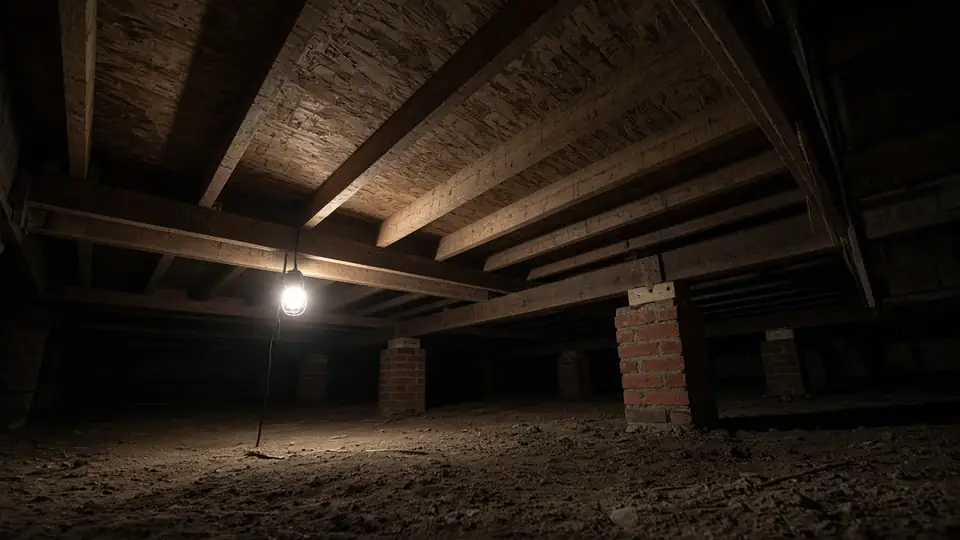
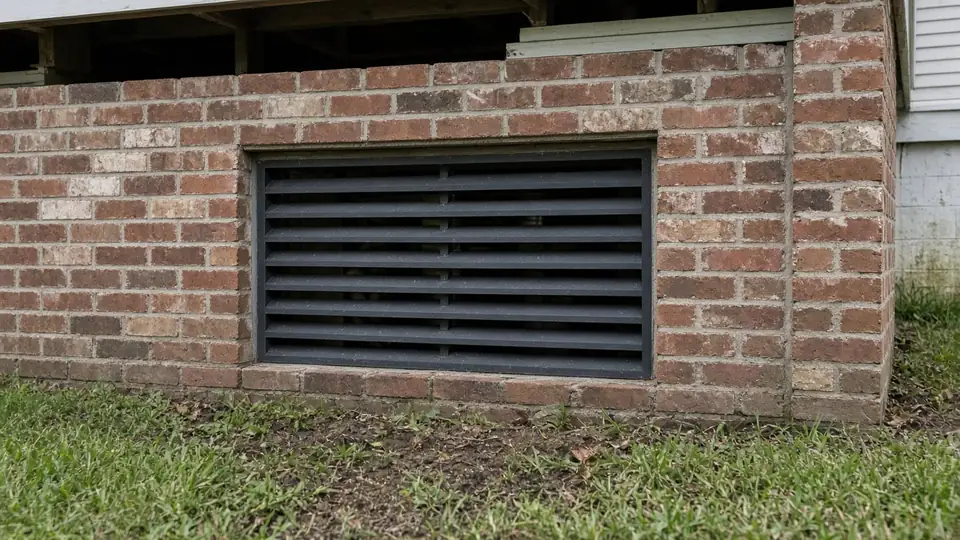
So the answer for a papered wall may be a different wall face, not only a clean one. Raised houses add the space under the floor. Tell whoever you call which kind of house you have.

A simple path to decide
- Is any part of the house wet right now? If yes, dry it within 24 to 48 hours.
- Do you know why it got wet? If not, book the assessment.
- Is the area under about 10 square feet, and is the cause fixed? If so, you may handle it.
- Is it larger, or hidden in a wall or under a floor? Book the assessment, then removal.
Follow the first answer that applies to you. Tell us where you land, and we help you book from there.
If a company says everything has to come out
Sometimes it does. Absorbent items such as carpet and ceiling tile may be lost once moldy, the EPA warns. But hard surfaces can often be cleaned, and a wall that was only damp may dry in place.
Ask the company to show you what is wrong with each item it wants to remove. Ask for the findings in writing, from someone who will not take the job. Then ask a second company to price the same scope.
What a good contractor tells you
A good one says where the water arrives and how they know, in writing. They tell you what they will remove and what they will clean, and what they will leave alone. They give you a license number if the job is large enough to need one.
Louisiana licenses removal companies and creates no assessment license, so ask an assessor about their training. For jobs of $7,500 or more, the statute bars a mold remediation contractor from also assessing the property. We keep them apart at every price. The rules guide lists what to ask.
Questions to ask on the first call
- Do you recommend an assessment before any removal?
- Who would write the findings, and would they bid on the work?
- What would you need from me to give a price?
- What is your license number, if the job is large enough to need one?
A good company answers these without pressure. If you are told you must decide today, take that as a reason to ask another company.
If you are still not sure
Send us what you see. Tell us the room, the wall, what covers it and when it started. We help you decide whether to book an assessment, a drying company or neither. Take photos today either way.
Basis: Mold, Moisture and Your Home, US EPA; La. R.S. 37:2157, Exemptions
Tell us where it shows
We help you learn whether the water is a leak or your own air, then line up an assessor first and a separate company to remove or dry it.
Before anyone pulls the paper
Photograph the stain, wide and close
Note when it first showed and what changed
Write down what covers the wall
Watch whether it grows after water runs
Ask for the removal company's license number
Keep the assessor away from the removal job
Have the scope on paper before work begins
Four things to tell the contractor
1. Where it shows
Which room and wall is it on, and how high up?
2. When it started
When did you first see or smell it?
3. What covers the wall
Is the wall vinyl paper, gloss paint, tile or paneling?
4. Anything dripping
Does a pipe, roof, window or AC line drip near it?
$100 off your first job
The $100 comes off once your first job in the parishes is booked.
We pay the $100 out of our fee; the contractor's price does not change.
One credit for each customer at each property they own or rent.
Book that first job on or before December 31, 2026, to use it.
Say you have the credit when you book, and we confirm it.
The Room Side promise
- You can ask us anything without paying or signing.
- The source of the water gets settled first.
- Your assessment and your removal stay with separate companies, at any price.
- Your $100 credit is applied the way our Terms say.
The work itself is between you and the company you hire.
Mold Removal New Orleans, (315) 640-3590
Start with where the water arrives.