Guide
You rent the place, you can see the stain, and the wall is not yours
Do you see mold or a stain in a rental and wonder what you can do about a wall you do not own? You can start today without arguing about who pays. Write it down, tell the owner in writing, and ask who will find where the water arrives. This guide shows you how.
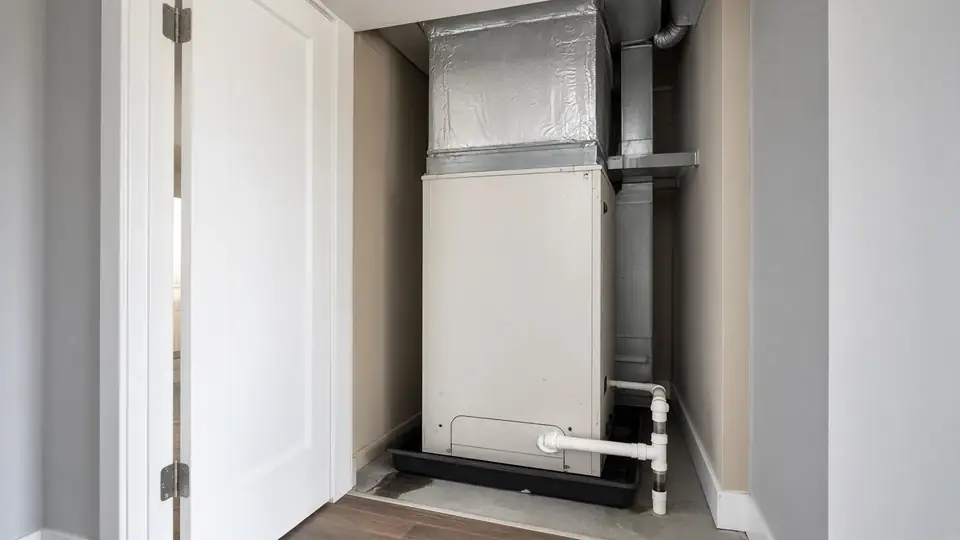
Start with a record
Photograph the stain wide and close, with something in the frame for scale. Note the date, the room, the wall and how high up it shows. Write down when you first saw or smelled it, and whether it changed after rain or after the AC ran.
Save it all in one place on your phone. A dated record helps you, the owner and any contractor who comes later.
Tell the owner in writing
Send a dated message by email or text, and keep a copy. Say where it shows, when it started and what you want: someone to find where the water is coming from. Ask for a reply by a date.
Attach the photos. If the owner has a manager, send it to both. A phone call is fine as a first step, but follow it with a message so there is a record.
Why the owner usually chooses the contractor
The wall belongs to the owner, so the owner arranges the repair. Louisiana exempts an owner or tenant who does mold remediation on property they own or lease from the removal license, but that does not mean you should do it yourself in a wall you cannot repair.
Ask the owner who will find the source. If a removal company is quoted without findings, ask whether an assessor who will not bid on the removal can look first. Our guide to Louisiana's mold rules explains why.
Doubles, upstairs flats and shared walls
In a double or an upstairs unit the water may come from a neighbor's pipe, a shared AC line or the wall you share. You may not be able to see the source from your side.
Tell both the owner and any neighbor you can reach. Ask whether the unit next door has a stain on the same wall. Ask for access so an assessor can read both sides, and say which unit's air handler serves your wall and which way your register blows.
What you can do that does not touch the wall
Keep the humidity down. The EPA suggests 30 to 60 percent indoors, and the CDC says stay at or under 50. Run the AC, use a dehumidifier if you own one and use exhaust fans when you cook and shower.
Move furniture a few inches off the wall so air can reach it. Do not peel wallpaper or cut the wall. The growth may be on the back, and pulling it can spread it. Do not use bleach as a routine fix, since the EPA does not recommend it.

Why summer matters to a renter
The airport's mean outdoor dew point is 75.2 F in July. A cooled outside wall can sit below that, so water can condense on its inside face. If the wall is covered in vinyl paper or gloss paint, the water cannot dry into the room, and the growth sits behind it.
That is a reason to say where the cold air from your register blows, and to name the wall covering when you write to the owner.
What the Civil Code says about repairs
Louisiana Civil Code Article 2682 binds a lessor to maintain the thing leased in a condition suitable for the purpose for which it was leased. That is a general duty, and it is why you write to the owner first.
Put your request in writing and give the owner a reasonable time to answer. Before you hire anyone to repair the owner's property, ask a lawyer or a legal aid office what your lease and the Code allow. Booking an assessment for your own record is a different step, and it repairs nothing.
Under Article 2694, if a lessor fails to make necessary repairs within a reasonable time after the tenant's demand, the tenant may have them made and demand reimbursement of a reasonable amount. That is a remedy for later, and it is the reason a dated written demand matters now.
What a good message to the owner says
- The address and unit, and the room and wall where it shows.
- The date you first saw or smelled it, and what changed.
- Photos, attached, with their dates.
- A plain request: that someone find where the water is coming from.
- A date by which you would like a reply.
Keep the tone calm. You want the water found, and a message that sticks to what you saw is hard to argue with.
Your belongings
Raise furniture and boxes off wet floors, and pull them clear of the wall. Photograph anything the water or the growth touched, and keep a list. Soft things that stay wet, such as a mattress against a damp wall, may have to be thrown away, as the EPA says of porous materials.
Tell the owner what you moved and why, so nothing you did to protect your things looks like a cause.
Questions to put to the owner or the contractor
- Who will find where the water is coming from, and by when?
- Will that person also do the removal, or are they separate?
- What is the company's Louisiana mold remediation license number?
- Will you share the written report with me?
- Where will I stay or store things while work runs?
If it stalls
If the owner does not answer, keep a dated log of each message. If you are unsure of your rights as a tenant, a legal aid office or a tenant organization can tell you; we do not give legal advice. Meanwhile you can book an assessment for your own record, and tell us what you see.
If the water is still coming in, tell the owner at once and ask them to book the drying, because the EPA puts the window for damp materials at 24 to 48 hours. If the owner will not act, ask a legal aid office before you book it yourself.
When the water is still coming in
If a pipe, a roof or a drain is wet right now, tell the owner by phone and in writing right away. Shut off any valve you can reach, and move your things. Ask who is dealing with the water today, and who will dry the wall, since drying should not wait for an argument about repairs.
Basis: La. R.S. 37:2157, Exemptions; La. R.S. 37:2158, Revocation and suspension of licenses; violations
- Your own room air
- A leak
- The ground under it
- Water that came in
Tell us where it shows
We help you learn whether the water is a leak or your own air, then line up an assessor first and a separate company to remove or dry it.
Before anyone pulls the paper
Photograph the stain, wide and close
Note when it first showed and what changed
Write down what covers the wall
Watch whether it grows after water runs
Ask for the removal company's license number
Keep the assessor away from the removal job
Have the scope on paper before work begins
Four things to tell the contractor
1. Where it shows
Which room and wall is it on, and how high up?
2. When it started
When did you first see or smell it?
3. What covers the wall
Is the wall vinyl paper, gloss paint, tile or paneling?
4. Anything dripping
Does a pipe, roof, window or AC line drip near it?
$100 off your first job
The $100 comes off once your first job in the parishes is booked.
We pay the $100 out of our fee; the contractor's price does not change.
One credit for each customer at each property they own or rent.
Book that first job on or before December 31, 2026, to use it.
Say you have the credit when you book, and we confirm it.
The Room Side promise
- You can ask us anything without paying or signing.
- The source of the water gets settled first.
- Your assessment and your removal stay with separate companies, at any price.
- Your $100 credit is applied the way our Terms say.
The work itself is between you and the company you hire.
Mold Removal New Orleans, (315) 640-3590
Start with where the water arrives.