Laplace · Assessment
Past repairs and a new stain: what the Laplace assessor must read
A stain on a Laplace wall may sit over an old repair, a slab line or the room's own air. Book the assessment first, so a written report names the source before you pay to open the wall.
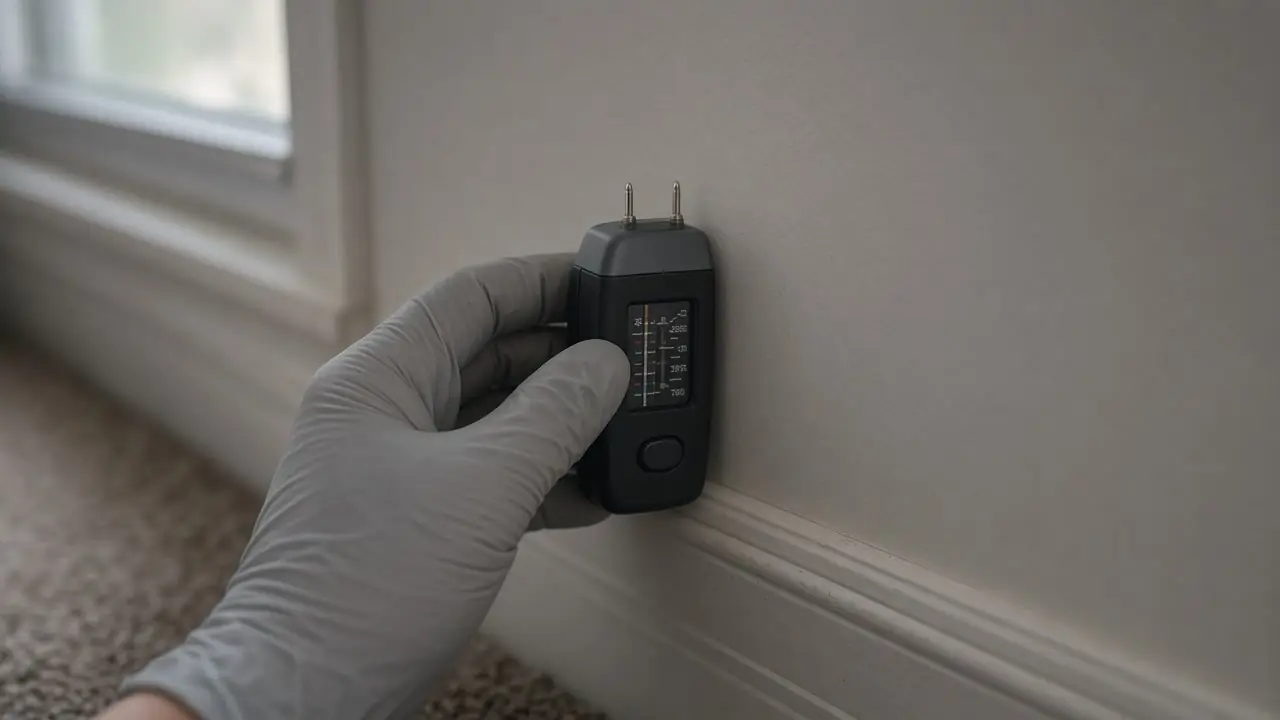
Tell us where it shows
We help you learn whether the water is a leak or your own air, then line up an assessor first and a separate company to remove or dry it.
Before anyone pulls the paper
Photograph the stain, wide and close
Note when it first showed and what changed
Write down what covers the wall
Watch whether it grows after water runs
Ask for the removal company's license number
Keep the assessor away from the removal job
Have the scope on paper before work begins
Four things to tell the contractor
1. Where it shows
Which room and wall is it on, and how high up?
2. When it started
When did you first see or smell it?
3. What covers the wall
Is the wall vinyl paper, gloss paint, tile or paneling?
4. Anything dripping
Does a pipe, roof, window or AC line drip near it?
$100 off your first job
The $100 comes off once your first job in the parishes is booked.
We pay the $100 out of our fee; the contractor's price does not change.
One credit for each customer at each property they own or rent.
Book that first job on or before December 31, 2026, to use it.
Say you have the credit when you book, and we confirm it.
The Room Side promise
- You can ask us anything without paying or signing.
- The source of the water gets settled first.
- Your assessment and your removal stay with separate companies, at any price.
- Your $100 credit is applied the way our Terms say.
The work itself is between you and the company you hire.
Mold Removal New Orleans, (315) 640-3590
Quick answers for your Laplace house
Should the Laplace assessor test for mold?
Ask what the test would change. The EPA says visible growth usually makes testing unnecessary, so the useful work is finding the water. Skip any test that does not answer a question you can name.
Can one company assess my Laplace house and remove the growth?
On work of $7,500 or more, state law keeps a licensed remediation company from handling the findings and the cleanup on one property. Hire the assessor separately from the company that quotes the removal.
What should I tell the assessor about old repairs?
Which rooms were repaired, roughly when, who did it and whether you have paper. Even a rough date helps the assessor choose where to read.
When a Laplace house needs an assessment next
A stain over an old repair
If the wall was opened after earlier water, the new mark may sit above a hidden problem. Tell the assessor where.
A slab floor that stays cool and damp
A cool, damp slab can mean a pipe in the concrete or moisture rising through it. The report should say which.
Wallpaper bubbling on an outside wall
Vinyl on a cooled outside wall can hold water behind it. Tell the assessor before anyone strips it.
A quote that never mentions the source
If a company priced removal without asking where the water came from, book the assessment first.
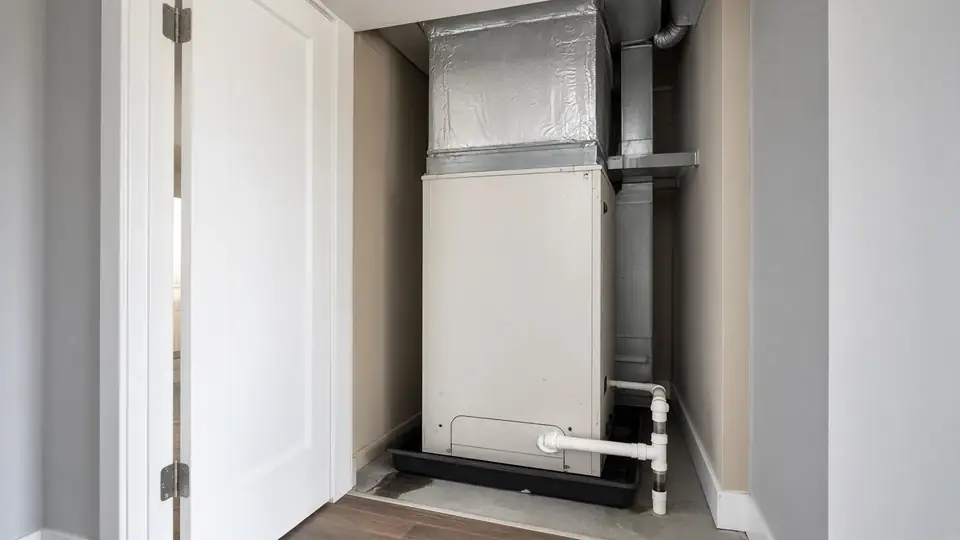
Reading a house with a repair history in St. John Parish
A house here may have been repaired after earlier water, so the assessor should ask where a wall was opened and closed.
- Bring what you have: invoices, photos, a name for the last contractor, dates.
- Ask the assessor to mark repaired areas on a sketch and take readings on both sides of each patch, since a newer wall can hold older damp.
Then ask for one plain sentence naming the source: a leak, the room's own air, the ground or a storm.
The median Laplace home dates to 1985. In a house of that age, a patch may sit under more than one coat of paint, and the assessor should say where the readings were taken against it.
Basis: FEMA; West Shore Lake Pontchartrain Hurricane Protection project record
Why the levee record keeps the storm question open
The state lists its West Shore Lake Pontchartrain levee project as under construction on eleven reaches, with 2030 as the finish. That says nothing about your wall. It does mean the assessor should not rule out storm water without asking you.
Tell the assessor if water ever came in and when. If it did not, say so clearly, so the report does not chase a storm that never reached your house.
The USDA describes lower Mississippi natural levee soils where water in clayey layers beside leveed waterways may be under pressure from the river's higher level. If the assessor suspects the ground in a slab house, ask for two things:
- The reading or sign that points to the ground under your slab.
- A written note of it, so the plumber, the remover and the drying company start from the same page.
Keep your photos from the day the water showed.
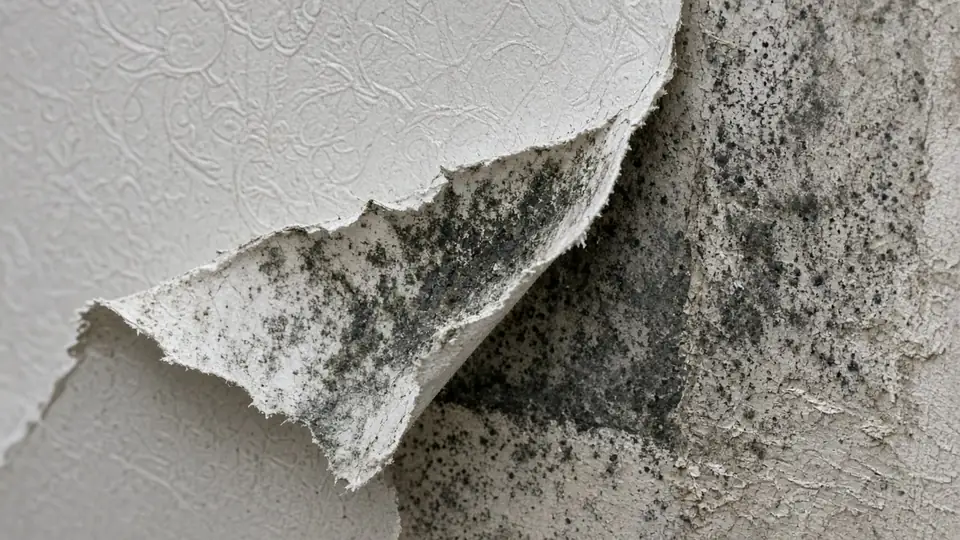
Laplace is unincorporated: the parish office is your counter
St. John the Baptist Parish Planning and Zoning handles building permits, floodplain management and code enforcement inspections. For a repair that follows the assessment, ask that office what it needs.
About 22.5 percent of occupied Laplace homes are rented. A tenant can send the written findings to the landlord with a dated note, and an owner can hand them to any contractor who quotes the work.
A report with your name, the address and the date records where the water came from. Keep it with your house papers.

What comes before or after, in Laplace
Start with where the water arrives.