Chalmette · Drying
Cleaning up and drying a wet Chalmette home, step by step
Did water get into your Chalmette floors or walls? Tell us the rooms and how it came in, and we help you book a drying company that is separate from any assessor. Two days is the working window.
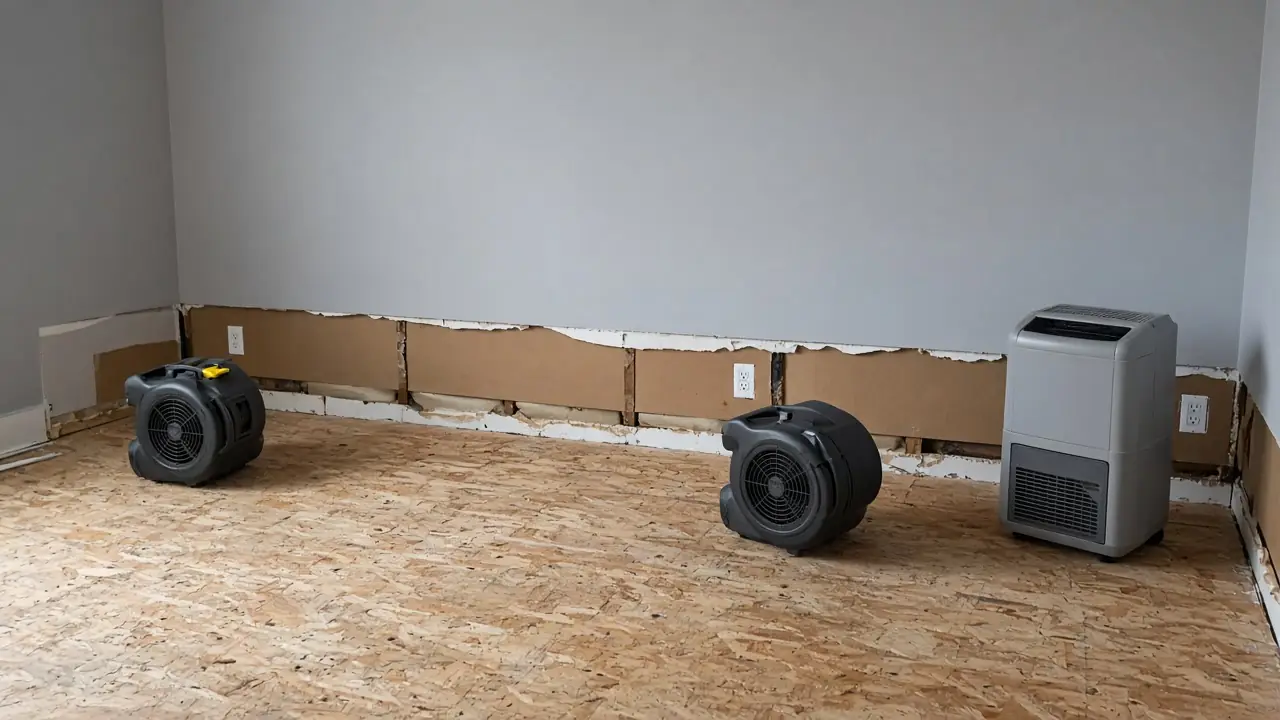
Tell us where it shows
We help you learn whether the water is a leak or your own air, then line up an assessor first and a separate company to remove or dry it.
Before anyone pulls the paper
Photograph the stain, wide and close
Note when it first showed and what changed
Write down what covers the wall
Have the scope on paper before work begins
Four things to tell the contractor
1. Where it shows
Which room and wall is it on, and how high up?
2. When it started
When did you first see or smell it?
3. What covers the wall
Is the wall vinyl paper, gloss paint, tile or paneling?
4. Anything dripping
Does a pipe, roof, window or AC line drip near it?
$100 off your first job
The $100 comes off once your first job in the parishes is booked.
We pay the $100 out of our fee; the contractor's price does not change.
One credit for each customer at each property they own or rent.
Book that first job on or before December 31, 2026, to use it.
Say you have the credit when you book, and we confirm it.
The Room Side promise
- You can ask us anything without paying or signing.
- The source of the water gets settled first.
- Your assessment and your removal stay with separate companies, at any price.
- Your $100 credit is applied the way our Terms say.
The work itself is between you and the company you hire.
Mold Removal New Orleans, (315) 640-3590
What to ask first about a Chalmette job
How soon must a wet Chalmette house be dried?
Two days or so: the EPA sets 24 to 48 hours, and the CDC repeats it after a flood. Book the drying first and the assessment after.
Who decides if my Chalmette repair counts as substantial damage?
Local officials decide. In Chalmette that is the parish, so ask St. Bernard Parish's building official before a large repair.
Should I keep a moisture log in Chalmette?
Yes. Daily readings in the same spots show whether the drying is working and give you a record for any later claim or permit.
Can carpet be saved after water in a Chalmette house?
Sometimes, if it is reached fast. Carpet that stays wet is the kind of material that may need to go, so ask the company which pieces are worth saving and what it expects to find under the pad.
How drying comes up in a Chalmette house
Wet carpet or a floor that feels cool
Standing water, or carpet that stays damp underfoot, needs attention within two days.
Baseboards and lower drywall that wick water
Wet board a few inches above the floor means the cavity behind it is wet too.
A storm, a roof leak or a burst supply line
Any of them starts the clock. Note the time you saw the water.
A musty smell after the visible water is gone
A smell after cleanup says something under the surface is still wet.
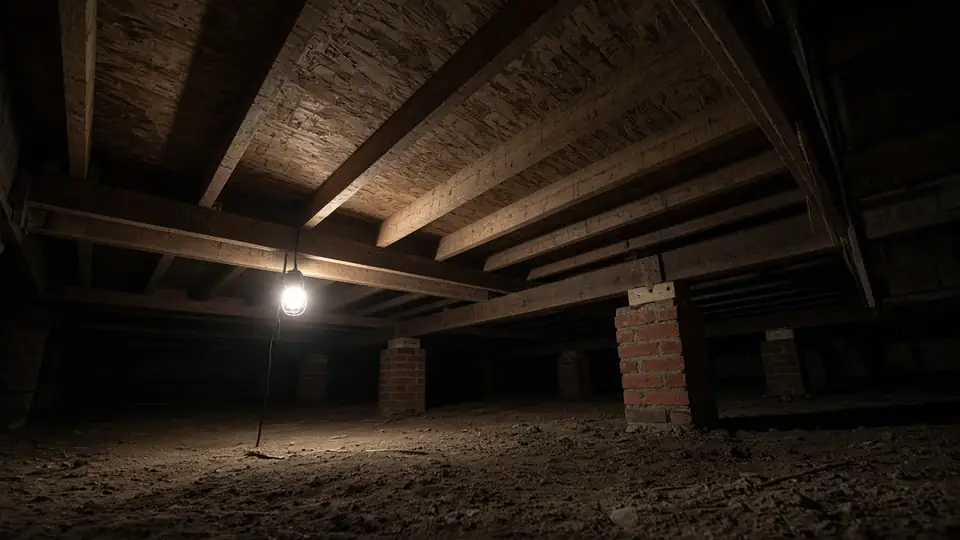
The first two days in a wet Chalmette house
Two days is the working window: the EPA sets 24 to 48 hours for wet materials, and the CDC repeats it for a flooded home. Write down when the water came in, what it was, and which rooms it reached. Turn off the source if you can, and tell the drying company what the source was before it arrives.
Keep a moisture log. A reading each day on the same spots shows whether the drying is working. If a spot does not fall after a couple of days, tell the company and ask what it will change. Photograph the damage before anything is moved, because a later claim or repair permit may ask for it.
Basis: Ten Things You Should Know About Mold, US EPA; About Mold and Your Health, CDC
Before a big Chalmette repair, ask St. Bernard Parish
In FEMA's terms a floodplain home counts as substantially damaged once repairs cost half of what it was worth before the damage, and local officials make the call. If your repair is large, ask the parish office before you sign a rebuild contract.
Ask your seller or landlord what they know about earlier repairs, and ask for any paperwork they kept.
Slab floors, carpet and what can stay in place
If your house sits on a slab with carpet or tile over it, carpet and its pad may be the first things out, since the EPA says soft materials that stay wet may need discarding. Hard flooring and drywall may dry in place if they are reached fast. Ask the company to say which is which, and why. Tell it what is under the floor covering, because a tile or vinyl layer can hide a wet slab.
If the water came up through a slab, or a supply line sits in the concrete, ask whether the line should be checked before the floor is dried. Drying around a live leak wastes the work. If you rent, send your landlord the log and the photographs the same afternoon.
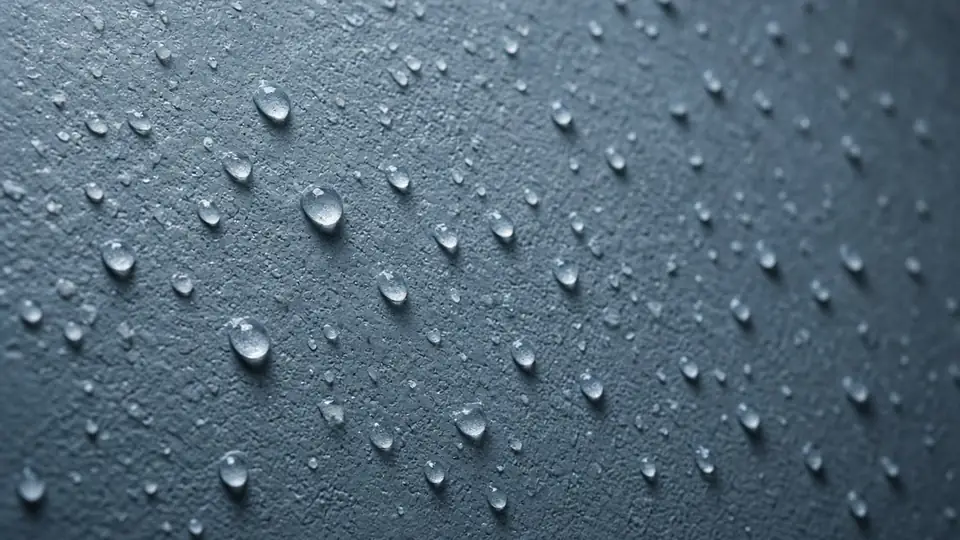
Two more steps for a Chalmette house
Name the water before anyone opens the wall.