River Ridge · Drying
Water in your River Ridge house? Start drying while the source gets traced
A wet floor in your River Ridge house can come from a pipe, the roof or the ground, and the drying window is short. Book drying with the house closed, then book the assessment to name the source.
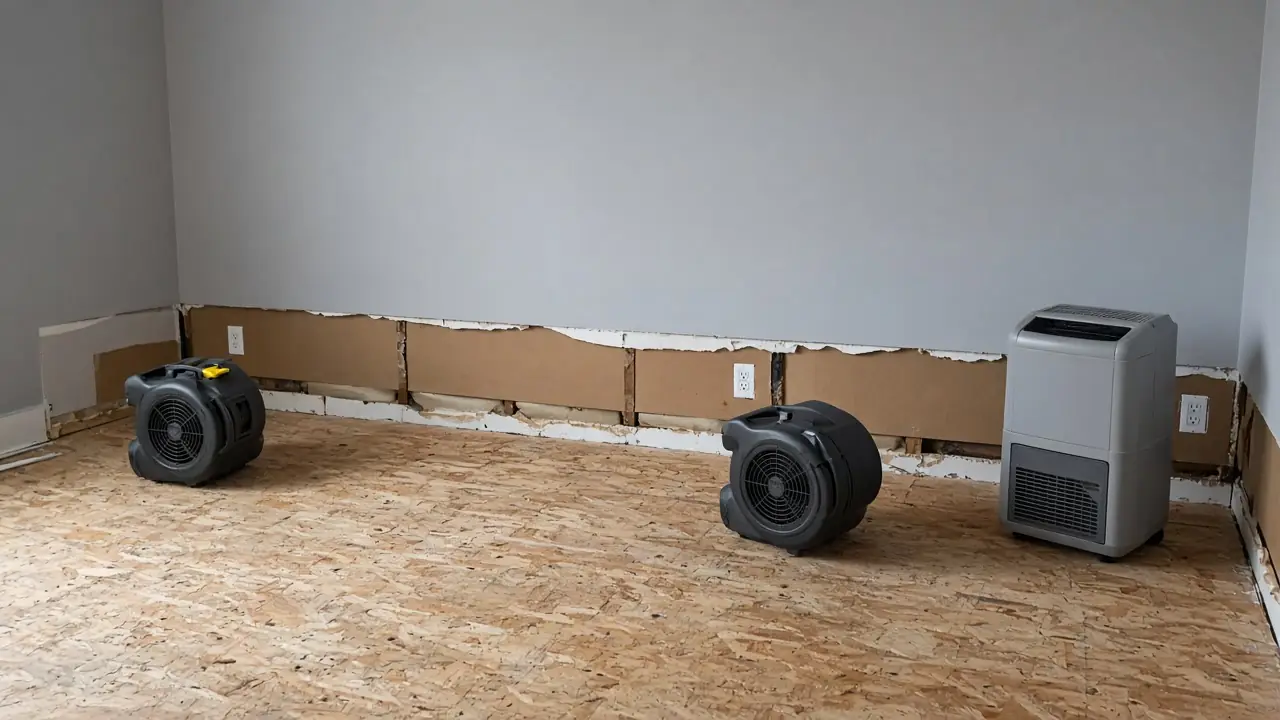
Tell us where it shows
We help you learn whether the water is a leak or your own air, then line up an assessor first and a separate company to remove or dry it.
Before anyone pulls the paper
Photograph the stain, wide and close
Note when it first showed and what changed
Write down what covers the wall
Have the scope on paper before work begins
Four things to tell the contractor
1. Where it shows
Which room and wall is it on, and how high up?
2. When it started
When did you first see or smell it?
3. What covers the wall
Is the wall vinyl paper, gloss paint, tile or paneling?
4. Anything dripping
Does a pipe, roof, window or AC line drip near it?
$100 off your first job
The $100 comes off once your first job in the parishes is booked.
We pay the $100 out of our fee; the contractor's price does not change.
One credit for each customer at each property they own or rent.
Book that first job on or before December 31, 2026, to use it.
Say you have the credit when you book, and we confirm it.
The Room Side promise
- You can ask us anything without paying or signing.
- The source of the water gets settled first.
- Your assessment and your removal stay with separate companies, at any price.
- Your $100 credit is applied the way our Terms say.
The work itself is between you and the company you hire.
Mold Removal New Orleans, (315) 640-3590
What to ask first about a River Ridge job
Should I wait for the assessment before I dry?
No. Dry first, because the 24 to 48 hour window is short, and book the assessment right after, with the drying readings in hand.
What if the same spot gets wet again after drying?
Then the source is still running. Stop and book the assessment, and ask whether the report checked ground moisture, a slab line and the grade beside the house.
Does River Ridge's elevation mean I can skip drying?
No. USGS puts the interior point 3.49 feet above sea level, but water still arrives from pipes, roofs and rain.
Does the parish repair permit apply to drying?
Ask the drying company. The parish, not a city, handles permits in River Ridge, and the company should tell you which tasks need one.
Reasons drying is the next call in River Ridge
A floor wet after heavy rain
Rain that crossed a threshold or ran down a wall can soak both the floor and the wall base.
A damp slab under dry walls
That mix points toward a line in the floor or moisture from the ground.
A wall wet low and dry high
Water that wicks up from the floor behaves differently from water that runs down from above.
Padding that smells a day later
A pad that stays damp holds water long after the carpet face dries.
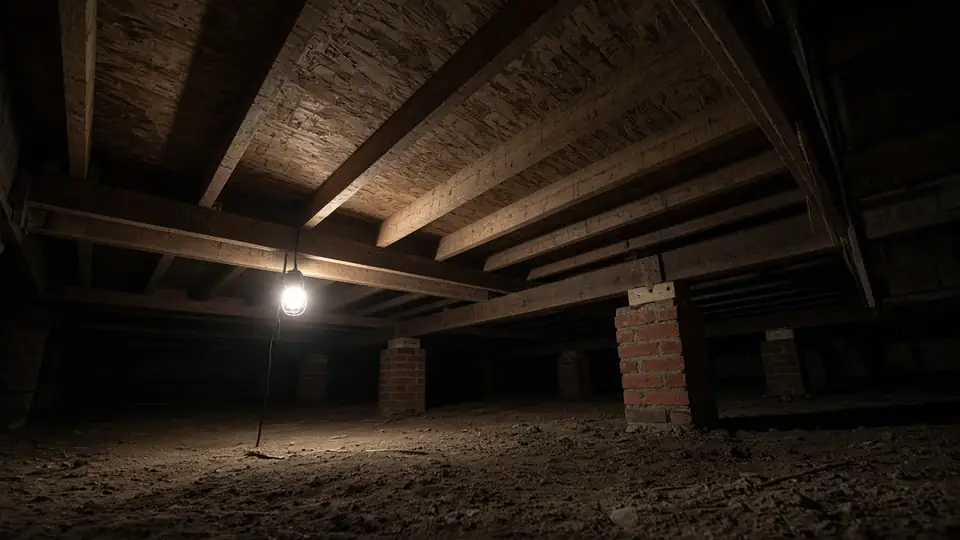
Reading a River Ridge floor: water from under or from above
A wet floor can mean two different things. Water from above runs down walls and spreads across the surface. Water from below comes up through the slab or the joints, and the walls stay dry.
When you book drying, say which pattern you see, and send a photograph if you can, with a coin or a tape measure beside the wet area so the size is clear. Ask the company to place readings on the slab, the wall base and a dry reference wall, and to tell you how readings will change if a pipe is the cause. A drying plan that ignores the source may have to be repeated. Keep every set of readings the company gives you.
Basis: USGS 3DEP Elevation Point Query Service, Census interior point of River Ridge; Official Series Description, Cancienne series, USDA NRCS
A question about the ground beside the levee
USGS puts the River Ridge interior point 3.49 feet above sea level. The USDA's Cancienne description covers natural levee ground and says water in its clay layers may be under pressure from the river.
That describes a soil type in general, not your yard. If water collects along one slab edge, mention it to the company, and ask the assessor to check ground moisture and the grade beside the house, because drying the inside will not stop a wet edge that keeps refilling. Watch the same edge after your next rain and tell the company what you see.
Dry the house with the windows shut, parish water or not
The EPA's advice puts the drying deadline for wet materials at one to two days. In July and August the outdoor air is wetter than a cooled room, so open windows add water to the house. Keep them shut and run the air conditioning.
The CDC says to keep home humidity at no more than 50 percent, and a plain hygrometer from a hardware store lets you watch that. Ask the company what reading it will drive each room to, which materials it expects to remove, and when it will return to confirm. Tell it if the wet area sat for a day before you saw it.

The rest of the sequence for River Ridge
Find the source first.